French Consulate, Economic Crisis, Eastern Independence & Protest in Nuuk… Summer’s Wrap Up
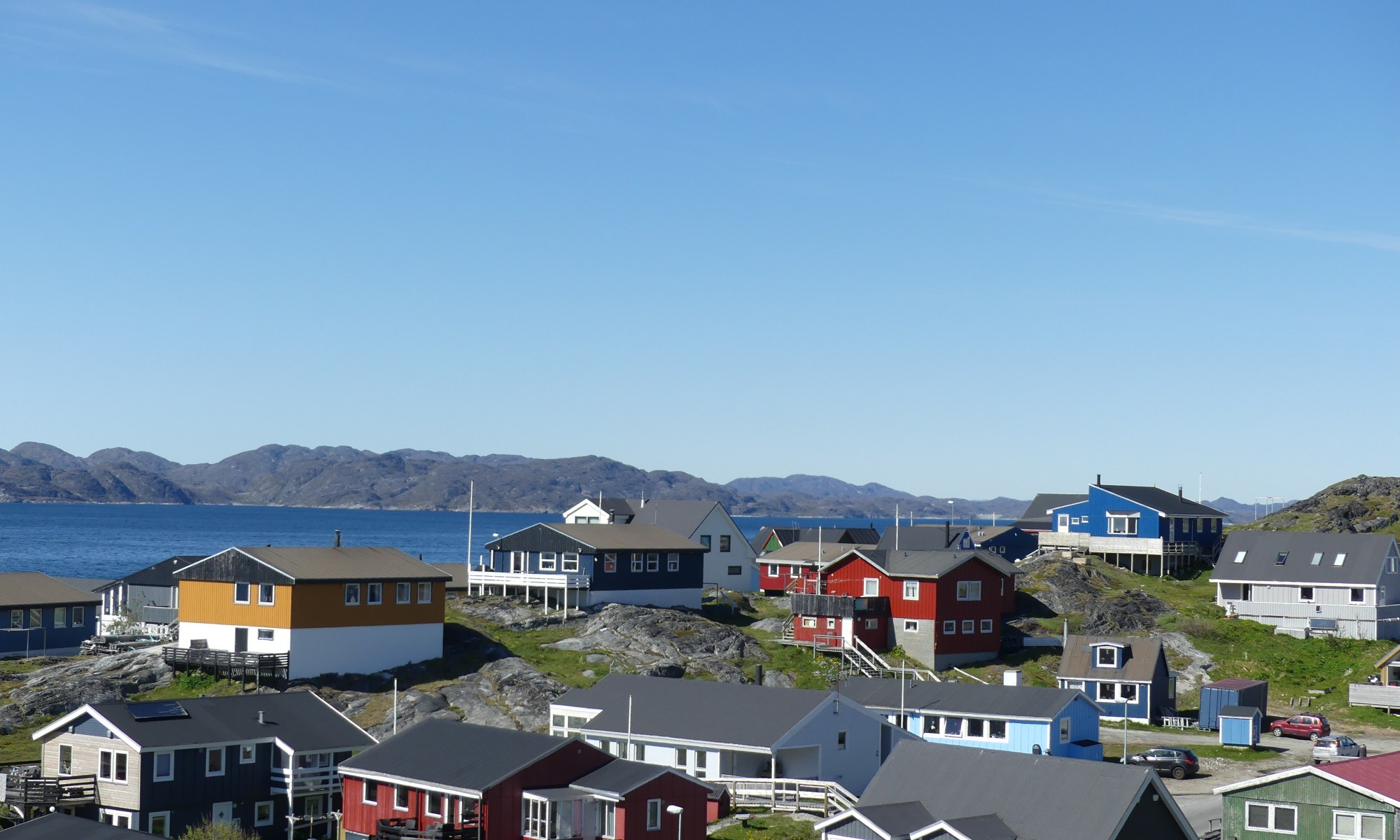
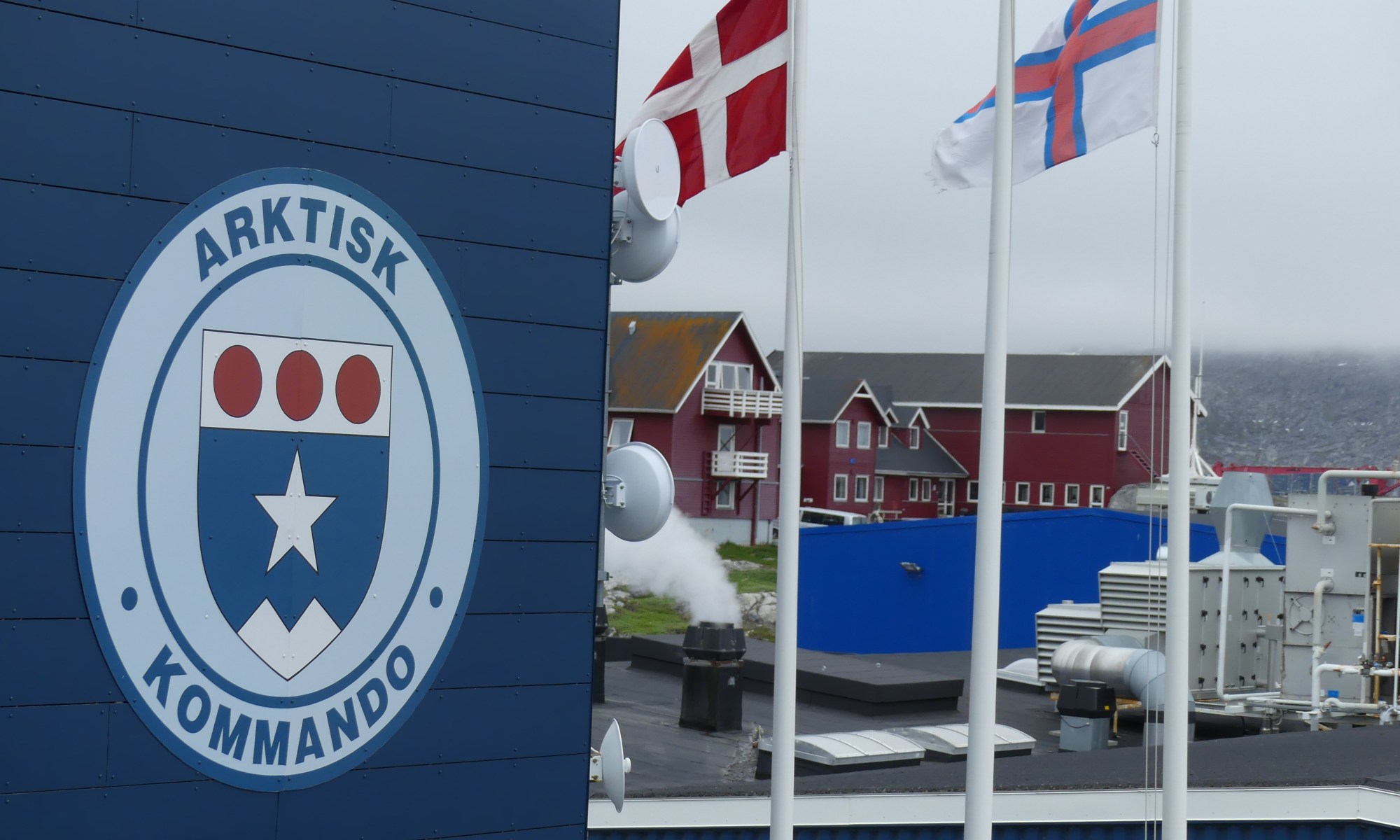
Following President Macron’s visit to Greenland last June, the French ambassador to Denmark, Christophe Parisot, is considering opening a French consulate general in Nuuk in 2026, following in the footsteps of the European Union (Sermitsiaq, August 13). In July, as part of the Danish presidency of the EU Council, a delegation of European ambassadors and senior officials visited Ilulissat and Nuuk to strengthen cooperation with Greenland on climate, security, and raw materials issues (Sermitsiaq, July 31). Meanwhile, in an interview with Reuters, the head of the Arctic Command said that Greenland is not that difficult to defend, and that its defense is under control (Sermitsiaq, June 27). That being said, Danish Defence Minister Troels Lund Poulsen has affirmed his commitment to increasing the Danish military presence in Greenland through the construction of a new headquarters for the Arctic Command, as well as the creation of a Greenlandic military unit under the Arctic Command, as part of the Arctic Basic Training, which is located in Kangerlussuaq (DR & DR, August 18). While in Nuuk, he met with Foreign Minister Vivian Motzfeldt and German Deputy Defence Minister Dr. Nils Schmid to work on strengthening cooperation between the three countries in light of developments in security policy. On this occasion, the German supply ship “Berlin” docked in Nuuk (Sermitsiaq, August 18). At the national level, for the former prime minister, and now Minister of Finance, Múte B. Egede, “Greenland is entering an economic crisis,” predicting budget cuts of 864 million kroner over the next four years, notably through a reform of the pension system (Altinget, August 19). The minister attributes, in part, the current economic difficulties in Greenland to the lack of manpower and the weakening of Greenland’s development potential resulting from the campaign of forced sterilization of Greenlandic women and girls in the 1960s (DR, August 19). In this regard, the investigation, which is to reveal the consequences of forced sterilizations and contraception cases from the 1960s to the present day, is running behind schedule and is not expected to be published before the end of January 2026 (Sermitsiaq, June 28). While Greenlandic independence has occupied a central place in recent debates, a new party has just been created in Tasiilaq to defend this time the independence of the eastern part of Greenland (Party for an Independent Eastern Greenland, PSØ.G.). On May 18, a large demonstration took place in Tasiilaq against politicians from the west coast. Anette Nicolaisen, one of the party’s founders, summarized: “We absolutely cannot bear that West Greenland says: ‘Denmark, you are not listening to us, Denmark, you are doing all these things against us,’ and when we then say, you are doing exactly the same thing to us, nobody does anything” (DR, August 2). In Denmark, Ivana Nikoline Brønlund, 18, from Greenland, has just had her child forcibly taken from her at birth by the municipality of Høje-Taastrup. While the removal of Greenlandic children from their families has been the subject of widespread controversy since last year, and the Danish government has finally decided to end the controversial FKU psychological test and create a special unit (VISO), protests have taken place in Nuuk (Sermitsiaq, August 13). It appears that the municipality of Høje-Taastrup has not complied with the new legislation (Sermitsiaq, August 16). Today, several dozen cases are being re-evaluated in light of criticism of institutionalized discrimination through FKU tests (DR, August 10).


Accusations of Genocide, Trump’s Idea of US “Ownership and Control”, Kalaaleq Passport… December’s Wrap-Up

Against a backdrop of protests against the forced abduction of kalaallit children in Denmark, Kalaallit Nunaat’s Prime Minister Múte B. Egede described the campaign to sterilize kalaallit women and girls in the 1960-70s as “genocide for which Denmark should apologize” (DR, December 12). For the president of the Inuit Circumpolar Council, Sara Olsvig, “the individual human rights of girls and women have undoubtedly been violated”, and Denmark must finally take responsibility for its colonial behavior (Altinget, December 17). In a press release, Naleraq president Pele Broberg demanded that the government follow up its accusations with concrete legal measures (Sermitsiaq, December 22). While Donald Trump again raised the idea of US “ownership and control” of Kalaallit Nunaat (DR, December 23), Danish Defense Minister Troels Lund Poulsen announced new defense investments in the Arctic: two new Thetis-class inspection ships, two new long-range drones, two new sled teams for the Sirius patrol and more personnel at Arctic Command (DR, December 24). In Kalaallit Nunaat, Donald Trump’s announcement of the appointment of a new US ambassador to Denmark (Altinget, December 23) provoked strong reactions; for MP Aki-Matilda Høegh-Dam, who represents the kalaaleq party Siumut in the Danish Parliament, “Kalaallit Nunaat is not a commodity or a geostrategic trophy”; “Kalaallit Nunaat is ours. We are not for sale and never will be,” reaffirmed kalaaleq Prime Minister Múte B. Egede (Sermitsiaq, December 23). That said, against the backdrop of a highly deteriorated relationship between Denmark and Kalaallit Nunaat, the kalaaleq Prime Minister also intends to pave the way for further cooperation beyond Denmark, in particular with the USA: “Our foreign policy strategy also means that we cooperate more with our neighbors, because Kalaallit Nunaat must become an independent country”, he said (DR, December 13). Following the intensification of kalaaleq protest in recent months, the Ministry of Foreign Affairs announced that the kalaaleq government would now be responsible for appointing the Arctic ambassador (DR, December 20). Kalaaleq’s Minister of Self-Government and Foreign Affairs, Vivian Motzfeldt, will assume the chairmanship of the Arctic Council on behalf of the Kingdom of Denmark at the political level (Sermitsiaq, December 20). In addition, Kalaallit passports can now show Kalaaleq nationality, not just Danish, which is above all “a powerful symbol of our language, culture and history” for Kuno Fencker, MP for the Siumut party (Altinget, December 16). Finally, after several months in pre-trial detention in Nuuk, the Ministry of Justice decided not to grant Japan’s request for Paul Watson’s extradition, and to release him (Sermitsiaq, December 20).

Photo: IA Generated

Paul Watson’s Arrest, Arctic Command Rescue, Paris Agreement, Critical Mineral… Summer’s Wrap-Up

The arrest of whale conservation activist Paul Watson on July 21 in Nuuk, following an international arrest warrant charging him with obstructing activities and causing injury and property damage to a Japanese whaling vessel in 2010, has attracted international attention (Eye on the Arctic, August 15). While his request for release has been rejected and he will remain in kalaallit jails until at least September 5, 2024, the activist could be extradited to Japan if the Danish Ministry of Justice, which has retained its prerogatives despite Kalaallit Nunaat’s increased autonomy, so decides (Sermitsiaq, August 20). In Kalaallit Nunaat, Paul Watson remains associated with pressure on Inuit hunters and Inuit ways of life (Mediapart, July 23). At the end of July, Arctic Command rescued the pilots whose plane had crashed into the open ocean near Qaqortoq, in southern Kalaallit Nunaat (Sermitsiaq, July 29). Search and rescue capabilities are becoming an increasingly important issue as commercial and tourist activity intensifies in the region (High North News, August 1). On the climate front, “the Paris Agreement is not just a symbolic act”, said UN Climate Secretary Simon Stiell, commenting on Kalaallit Nunaat’s accession to the Paris Agreement at a time when temperatures in the Arctic are rising four times faster than in the rest of the world. The Minister for Agriculture, Self-Sufficiency, Energy and the Environment, Kalistat Lund, has indicated that he will develop a climate strategy following local consultation throughout the country (Sermitsiaq, July 3). At UN level, the President of the Inuit Circumpolar Council (ICC), Sara Olsvig, has been appointed to the Expert Group on Rare Minerals for Energy Transition, to ensure that the recommendations made by the working group are in line with the UN Declaration on the Rights of Indigenous Peoples. Its presence is all the more important given that 54% of critical mineral deposits known to date are located on or near the territories of indigenous peoples (Sermitsiaq, July 14). In the kalaaleq parliament, Inatsisartut, the president of Naleraq’s party, Pele Broberg, known for his pro-independence stance, is going to propose a change to the rules of procedure so that the only language used will be Greenlandic, raising questions of national belonging for many Greenlanders who are not fluent in Kalaallisut, the national language (Sermitsiaq, August 6; Altinget, August 19). On the other hand, academic work to clearly establish the facts about the sterilization of Greenlandic girls and women from the 1960s onwards is currently being held up by the rejection of access to public health archives (Sermitsiaq, July 23; Sermitsiaq, July 25). Due to disputes with the Swedish presidency over the country’s secondary position, the President of the Greenland National Executive, Múte B. Egede, will not be taking part in the conference. Egede will not be taking part in the Nordic Council’s work or in the annual session in Reykjavik this autumn (Altinget, August 21). This summer, several towns were visited by polar bears, resulting in several preventive culls, notably in Ittoqqortoormiit, on the east coast. A researcher from a German research team on Traill Island, near Mestersvig in eastern Greenland, was attacked by a polar bear (Sermitsiaq, July 30). Finally, the US Secretary of the Navy, Carlos Del Toro, recently met with the Danish Ministry of Defense and military leaders in Copenhagen, as well as exchanging views with Faroese Foreign Minister Høgni Hoydal, to discuss the Russian threat and opportunities for increased cooperation in the Arctic and North Atlantic. The Faroe Islands, which will shortly be opening an office in Washington, is committed in its Arctic strategy to enhanced cooperation with other allies in the Arctic and wider North Atlantic to actively contribute to the preservation of security and stability (High North News, August 19).