Greenland United but Lonely Against the Colonial Powers

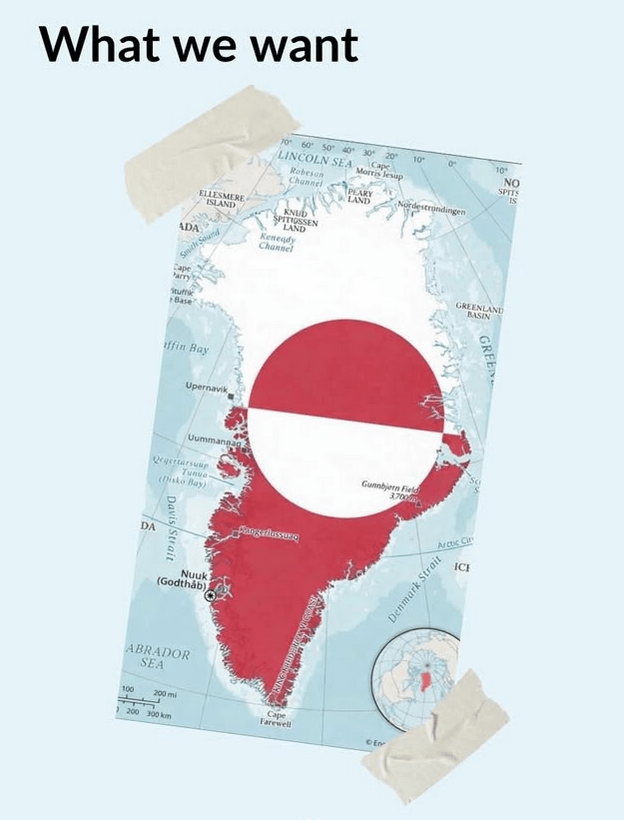
Post widely shared by Greenlanders on social networks to challenge the imperialist and colonial declarations of the United States. © Aka Hansen

Originally published in French in Mediapart. The translation was generated with DeepL.

After the abduction of Nicolas Maduro, President Trump quickly designated the next targets of his imperialist fury. Among these, Greenland, a former US ambition and a constant obsession for Donald Trump. Faced with this new attack, guided by fury as much as a security and mining fantasy, Greenland is once again united in its anti-colonial voice, surrounded by “allies” entangled in the affirmation of an international law with variable geometry.

The desires of President Donald Trump in Greenland have taken credibility in recent days following the kidnapping of Venezuelan President Nicolas Maduro and Cilia Flores on 3 January, illustrating a reaffirmation of an imperialist and interventionist aim free from international law. So, will Greenland soon be renamed “Red, White and Blueland” as Trump proposed? Or are there ears ready to hear the aspirations of a territory always under Danish tutelage more quick to rename itself Nunarput (“our country/territory”) or Inuit Nunaat (“the country/territory of the Inuit”)?

Following the intervention in Venezuela, Kate Miller, the wife of the deputy chief of staff of the White House shared a photo of Greenland against a background of the American flag with the caption “SOON” (SOON). Deputy Chief of Staff Stephen Miller himself claimed that Greenland should be part of the United States. The White House would actively develop acquisition plans, including diplomatic, economic and military measures, calling the autonomous territory a “national security priority” and thus reviving an idea long considered rhetorical. This Trumpian obsession goes back to the first administration but gains in acuity following the US intervention in Venezuela, and while the use of the U.S. military “is still an option” according to the White House.

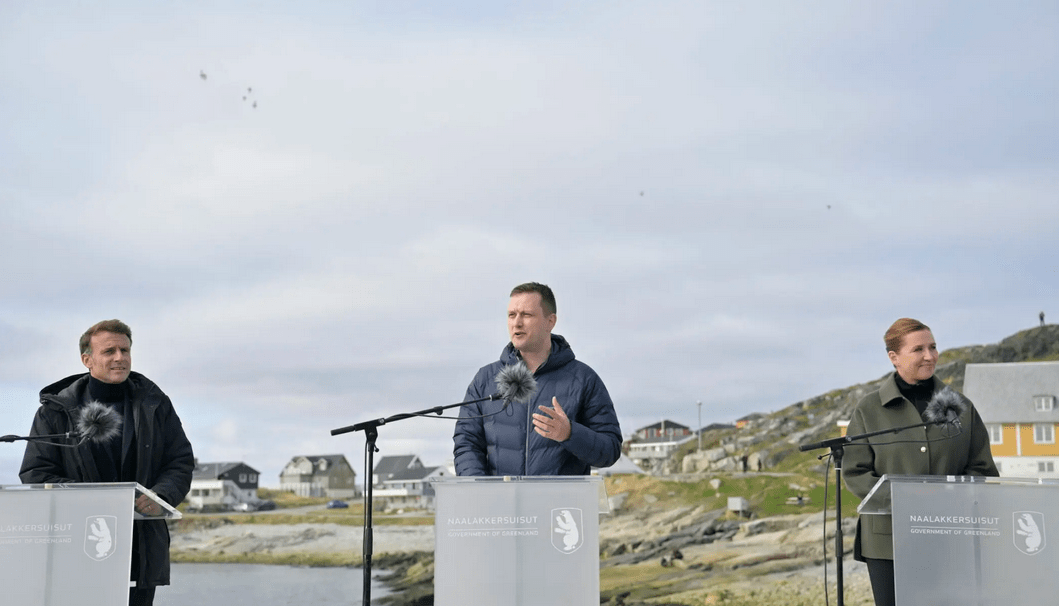
Silent and then conciliatory after the kidnapping of Nicolas Maduro, Emmanuel Macron and six other leaders and heads of government of NATO member countries signed a joint declaration stating that “it is up to Denmark and Greenland, and on their own, to decide the issues concerning Denmark and Greenland.” The foreign ministers of the Nordic countries (Finland, Sweden, Norway and Iceland) also defended the self-determination of Greenland and Denmark, after obviously not finding the right words to condemn the US violations of international law. As the Danish media outlet Altinget points out, the weakening of European positions vis-à-vis international law, makes any position of support for Greenland inaudible: “international law in Ukraine cannot be defended and its collapse in Venezuela or Gaza cannot be accepted. We cannot talk about sovereignty in the Baltic Sea and ignore it in the Caribbean.” This did not prevent the Danish Prime Minister, Mette Friedriksen, to indicate that any military action would mean the end of NATO: “The international community as we know it, the democratic rules of the game, NATO, the most powerful defensive alliance in the world, all this would collapse if one NATO country decided to attack another.”

But Trump does not only play with the nerves of Europeans as François Bougon points out on Mediapart, he also plays and especially with those of Greenlanders, among whom the desire for independence has never been so shared. Naalakkersuisut President Jens-Frederik Nielsen said in a statement to Trump that: “This is not how we address a people who have repeatedly shown responsibility, stability and loyalty. Too much, that’s too much. No more pressure. No more insinuations. No more annexation fantasies. We are open to dialogue. We are open to discussion.” In a joint statement, all the Greenlandic parties at the Inatsisartut, the national parliament, showed their unity: “as leaders of the Greenlandic parties, we would like to stress once again our wish to see the loss of respect for our country cease to the United States’ disrespect for our country,” they say. Before repeating a formula that has become a refrain in recent months: “We don’t want to be American, we don’t want to be Danish, we want to be Greenlanders.” A position widely, if not unanimously, shared in the country, as I recalled in a previous post. This weekend, this refrain was taken up during a new demonstration in the capital, Nuuk. While responses to US threats have remained largely rhetorical, Greenland MP Aaja Chemnitz at the Folketing, the Danish parliament, is now calling on Greenland and Denmark to take concrete steps, including military measures, regarding the preparation and protection of Greenland.

Earlier in December, Donald Trump appointed a new special envoy to Greenland, the Republican governor of Louisiana state, Jeff Landry. The latter had written on X that it is an honour for him to assume the mission of integrating Greenland into the United States, while the latter has already been present on the territory since the Second World War and that he has a military base in the north of the territory.
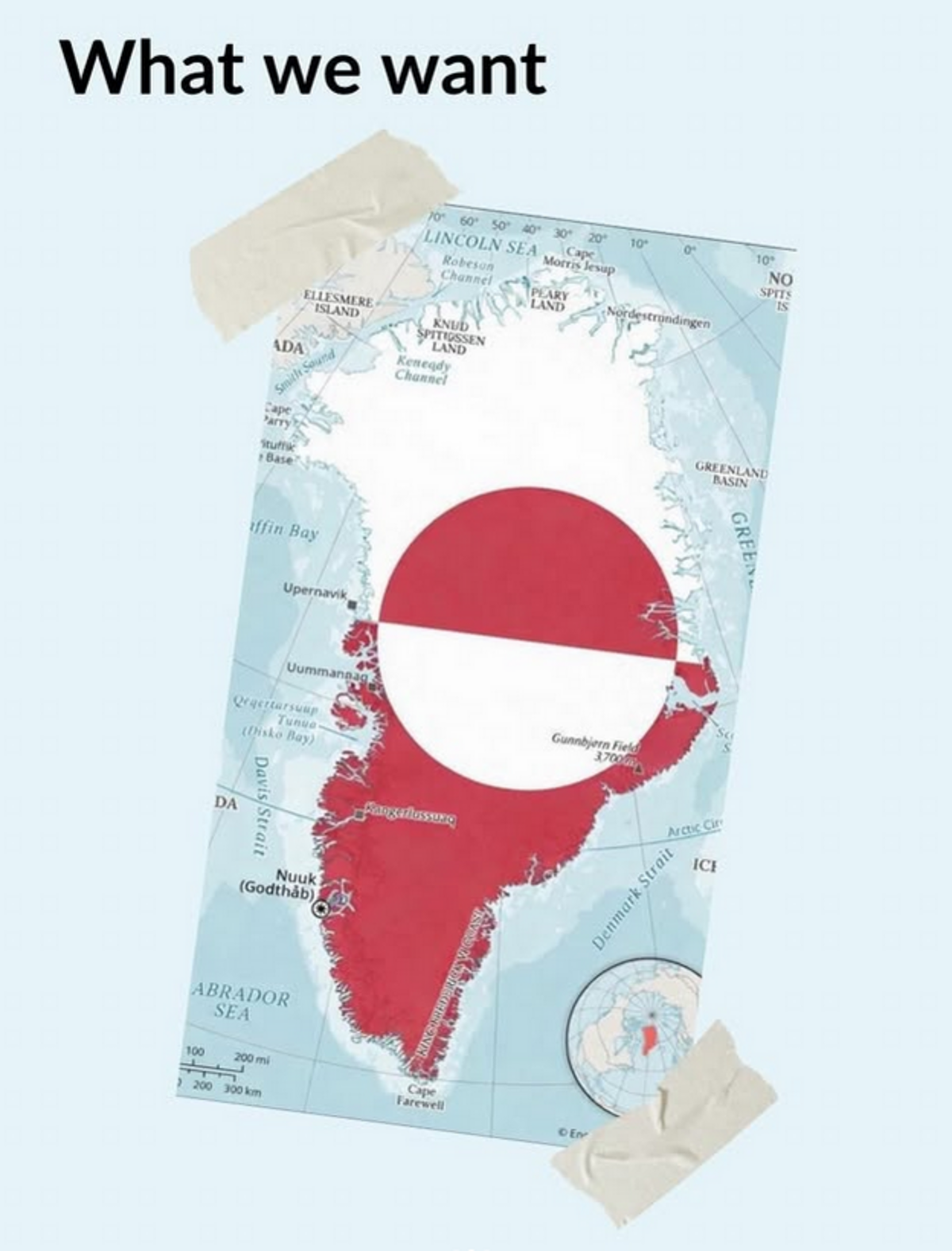
Illustration 1

Assembly widely taken up by Greenlanders on social networks to challenge the imperialist and colonial declarations of the United States. © Aka Hansen

In Greenland nothing new: an old American interest

Greenland’s geostrategic position, located between Europe and North America, attracted the attention of the United States very early on. As early as 1867, President Andrew Johnson proposed a first offer to buy the territory, followed in 1946 by that of Harry Truman, who offered 100 million dollars in Copenhagen (Pouilliute, 2025). Already in 2019, President Donald Trump had revived this ambition, again facing the categorical refusal of the Danish authorities.

The US presence in Greenland materialized during the Second World War. In 1941, a treaty allowed the United States to establish military bases on the territory, while Denmark was occupied by Germany. This treaty was updated by a bilateral agreement in 1951, after Denmark joined NATO. This agreement is still the foundation of the US military presence in the territory. The Pituffik base, built in this context, is the only permanent American base in Greenland. It now plays a key role in the U.S. anti-missile system and in its Arctic maritime defence system.

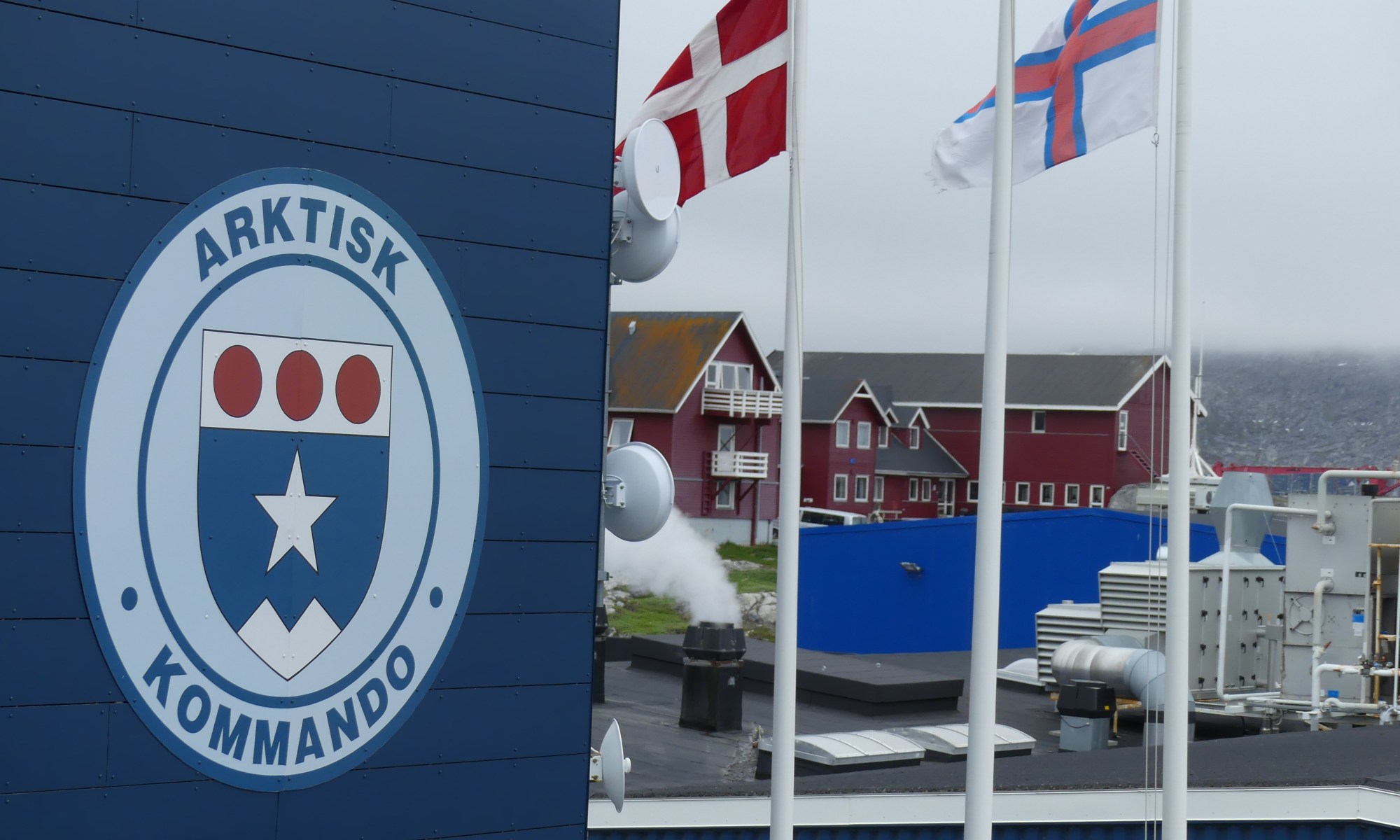
In contrast to Donald Trump’s statements in recent years, diplomatic and military relations between the United States and Denmark and Greenland have strengthened. In 2020, the United States reopened its consulate in Nuuk, after nearly seven decades of absence. First installed in the Arctic command center of the Danish army, this diplomatic representation symbolized Washington’s renewed interest in the Arctic and for increased dialogue with Greenland. In the same year, a cooperation agreement was signed between the United States, Denmark and Greenland, including the management of the services of the Pituffik base. In 2014, the United States unilaterally awarded the contract to a U.S. company, at the expense of a Danish-Greenlandic company, causing strong local reactions. The 2020 agreement now provides that these contracts will have to be awarded to Greenland companies.

The new bilateral defense agreement signed in December 2023 between Copenhagen and Washington provides for the possibility of parking American soldiers and storing equipment on Danish soil. While it explicitly excludes Greenland and the Faroe Islands, it allows unimpeded access by U.S. forces to several bases in mainland Denmark, including Karup, Skrydstrup and Aalborg. More recently, the United States is currently considering transferring Greenland from the European Command (EUCOM) to the Northern Command (NORTHCOM), which, while symbolic, reinforces the perception of a US strategic repositioning in the region.

In this context of geopolitical recomposition, Denmark announced in January 2025 an investment plan of 14.6 billion Danish kroner (about 1.95 billion euros) to strengthen its military presence in the Arctic and the North Atlantic. The plan, developed jointly with the Greenlandic and Faroese governments, involves the acquisition of three Arctic ships capable of carrying drones and helicopters, the deployment of two long-range surveillance drones, and the strengthening of satellite capabilities and land-based sensors to improve situational awareness and intelligence in the region. However, this agreement is considered to be largely insufficient both to allow a defense that is not only dependent on the United States, but also to take the measure of the Greenlandic will to independence. The latter is based in part on the development of a mining sector, whose revenues would be able to replace the Danish subsidy. The current state of mining development in Greenland, as well as the critical and careful approach of Greenlanders to the development of extractivist infrastructure, makes Trumpian geological ambition sparking.

In the background, the mining fantasy

In 2009, with the entry into force of the Enhanced Autonomy Act, Greenland gained full control of its natural resources, including hydrocarbons and minerals, which were previously within Denmark’s jurisdiction. Since then, resource exploitation has often been promoted by the Greenlandic elites as a potential pillar of economic autonomy, with a view to future independence. Although criticized in the 1980s for its enclave character and negative social impacts, the extractive model was rehabilitated in the 2010s as an instrument of sovereignty (Bailleul, 2023). While in 1988, Greenland had introduced a zero-tolerance policy for uranium mines, in October 2013, the Greenlandic parliament lifted a ban on the extraction of radioactive materials, paving the way for uranium mining by mining companies. The development of the mining sector is now often presented by the authorities as an essential condition for economic independence, a prelude to political independence from the Kingdom of Denmark. The exploitation of these resources would reduce financial dependence on the Danish annual subsidy, which represents about 520 million euros/year, or about 16% of the territory’s GDP. Bailleul (2023) suggests that mining development is part of the construction of an “imagined community”, that is to say in “ideological representations supporting the idea of a homogeneous national people, with common traditions and values, essential for the construction and reproduction of nation-states” (p. 314). The lifting of the ban on the exploitation of uranium mines was instrumental, particularly in the development of the Kuannersuit mining project, led by the Australian company Greenland Minerals and Energy. However, the project was abandoned in 2021 (see a previous post on this subject). The refusal to develop certain mines with high immediate profitability, such as Kuannersuit, nevertheless shows that independence cannot be thought of in purely extractivist terms, and that the construction of such an imagined community is anchored in a long-term vision, ecologically and socially sustainable.

Today, Greenland has 25 of the 34 critical raw materials identified by the EU, attracting international lusts. However, in 2025, only seven mining licenses are active and only two mining operations are in operation in Greenland: the Nalunaq gold mine, near Nanortalik (southwestern Greenland), and the White Mountain /Itilleq anorthosite mine near Kangerlussuaq airport. If the Greenland subsoil attracts increasing attention from Denmark, but also from the European Union, which considers Greenland as a strategic partner, as evidenced by the agreement signed in 2023 as part of its search for autonomy from China, the incomes of mining today represent less than 1% of Greenland’s GDP, and a massive development in the short term is as much politically and economically soudable.

Just yesterday, Donald Trump said he wanted to acquire Greenland, favoring the diplomatic option without resolving himself to give up the option of force. If other scenarios are on the table, such as that of a status of free association with the United States, like what exists with some Pacific island nations, or more far-fetched the payment of 100 000 dollars to those who would accept to join the United States, there is little doubt about the rejection of Greenlanders to adhere to a colonialist and imperialist discourse. On Wednesday, Danish Foreign Minister Lars Løkke Rasmussen and Greenland Foreign Minister Vivian Motzfeldt will meet with US Secretary of State Marco Rubio in Washington. If neither the security of the United States nor the promise of a mining pactole are at stake, the Trumpian desires are certainly explained less by the “psychological necessity” that he evoked than by the red carpet that is unrolled to him. Because the option of weakening international law was chosen by the European continent, at least since the colonial and genocidal war in Gaza, and the “moral fault” renewed by the approval of the intervention in Venezuela, Greenland is now preaching its sovereignty, and that of the oppressed territories, increasingly alone in the North.

Tanguy Sandré

Note: Faced with the growing interest of journalists in the country, and facing both disrespectful and culturally inappropriate solicitations, Aka Hansen, an Inuit artist, has published a guide for journalists who come into contact with Greenland Inuit or on the spot. It is available here.


References

Bailleul, P. (2023). Making nation by the mine? Political history of the mining territories in Greenland. Inuit Studies, 47(1/2), 311–334. https://www.jstor.org/stable/27345308

Pungea, A. (2025). Greenland, a serious subject. National Defence Review, 879(4), 77–82. https://doi.org/10.3917/rdna.879.0077
Inuit Women’s Summit, Minerals, Submarine Cables & Satellites… October’s Wrap Up

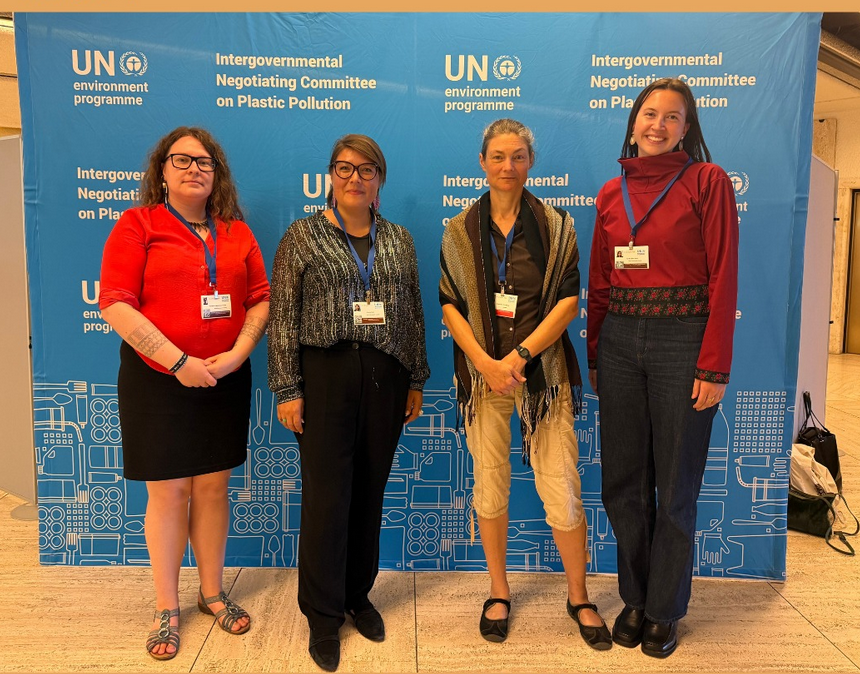
In Greenland, while Denmark has apologized and is preparing a compensation plan for women and girls who were victims of the forced sterilization program until 1991 (Sermitsiaq, October 22), the Inuit Circumpolar Council is organizing the first Inuit Women’s Summit in Sisimiut at the end of October. Its president, Sara Olvig, emphasized: “We are all deeply affected by the colonial policies that targeted Inuit women and girls.” More broadly, the Summit will focus on three themes: the rights and roles of Inuit women, the prevention of violence and the improvement of safety, and capacity building through culture (Eye on the Arctic, October 21). In early October, Prime Minister Jens-Frederik Nielsen addressed the European Parliament in Strasbourg. He emphasized the importance of the partnership with the EU and the potential for increased cooperation in areas such as critical raw materials and renewable energy (High North News, October 9). The Danish Export and Investment Fund (EIFO) announced a loan of 39 million kroner to the mining company Green Roc, which is working to reopen the Amitsq graphite mine in southern Greenland, last operated between 1915 and 1922 (Sermitsiaq, October 22). Also in the south, following the abandonment of the Kuannersuit mining project, the dispute between the Greenlandic government and Australian mining company Energy Transition Minerals has just been settled by an arbitration tribunal in favor of the Greenlandic government. The dispute had also been brought by the Australian company before the High Court of Greenland and the Copenhagen Court, which have not yet issued their verdicts (DR, October 29). On the defense front, as part of their efforts to strengthen their presence in the Arctic, Denmark and Greenland have agreed to build a dedicated naval dock in Nuuk (Eye on the Arctic, October 14). Also in this context, a new submarine cable worth 3 billion kroner is included in a new defense agreement, which will complement the two existing cables and Greenland’s infrastructure, which is considered highly vulnerable (Sermitsiaq, October 10). In addition, Tusass, Greenland’s autonomous telecommunications company, has signed an agreement with the French company Eutelsat to provide better internet access in regions without submarine cables, namely Tasiilaq and Ittoqqortoormiit in the east and Qaanaaq in the north. While the territory is considering liberalizing the telecommunications market, the importance of Greenland’s critical infrastructure being controlled by Greenland itself was recently reaffirmed, and a partnership with Starlink, which had been rumored, was ruled out (DR, October 20).


Macron in Nuuk, Cooperation within the Kingdom & Near-Ittoqqortoormiit Mining License… June’s Wrap-up

On a visit to Greenland ahead of the G7 in Kananaskis, Canada, the French President met with Danish Prime Minister Mette Frederiksen and Greenlandic Prime Minister Jens-Frederik Nielsen during a visit to Nuuk. Emmanuel Macron affirmed his support for Greenland and announced that France is ready to strengthen its commitment to the Arctic through joint exercises and economic and social partnerships (High North News, June 16). He also announced the opening of a French consulate general in Nuuk, while a European representation was inaugurated in March (Sermitsiaq, June 15). At the end of May, the heads of government of the eight Nordic countries met in Finland. While Greenland, the Faroe Islands, and Åland had been repeatedly excluded in recent months, the eight Nordic countries committed to including them in future Nordic ministerial meetings and to strengthening cooperation on civil preparedness and resilience (High North News, May 30). In mid-June, the heads of government of the Faroe Islands, Greenland, and Denmark convened for their biannual meeting in the Faroese capital, Tórshavn. Beyond increased pressures in the Arctic, the Faroe Islands and Greenland have engaged in dialogue for greater autonomy in foreign affairs, while the Danish prime minister has called for a “modernization of the Kingdom” and greater investment in Greenland (High North News, June 18; Eye on the Arctic, June 17). “We have made it clear that if Greenland wants to amend the Self-Government Act, including ensuring better economic frameworks for Greenland in relation to mineral extraction, we are ready to conclude this agreement on the Danish side,” said Mette Frederiksen (Sermitsiaq, June 17). The head of defense attended this biannual meeting for the first time (Altinget, June 18). In coordination with the Greenlandic government, the Danish armed forces will increase their presence in Greenland this summer, with a frigate and two helicopters now in place to strengthen military operations in the Arctic (High North News, June 11). At the same time, the Danish Parliament approved the installation of US military bases on Danish soil (Eye on the Arctic, June 12). Furthermore, at the NATO summit in The Hague, where the Greenlandic government wanted to meet with their US counterparts (Sermitsiaq, June 23), Denmark formally entered into a partnership with Canada, Germany, and Norway on maritime security and military cooperation in the North Atlantic (Sermitsiaq, June 25). Also in June, Greenland granted a 30-year permit to a European Union-backed project to mine molybdenum, a critical metal used in aerospace, energy, and defense, on which China has imposed export controls. The permit was granted to Greenland Resources, a Toronto-listed company backed by the European Raw Materials Alliance, which holds the license for the Malmbjerg project near Ittoqqortoormiit, the northernmost town on the east coast. The open-pit mine could supply about 25% of Europe’s molybdenum consumption (Sermitsiaq, June 19;  Eye on the Arctic , June 19). Regionally, the Kingdom of Denmark held its first session of the Arctic Council; “Engagement with indigenous peoples, focused on promoting knowledge sharing, is a cross-cutting priority for the Kingdom of Denmark,” said Kenneth Høegh, the Greenlandic SAO representing the Kingdom of Denmark (Eye on the Arctic, June 17). Finally, in Denmark, a new organization called Uagut (“us” in Greenlandic) was founded by Greenlanders in Denmark. This organization aims to give a voice to the approximately 17,000 Greenlanders living in Denmark and to combat discrimination against them (Sermitsiaq, June 22).

Cryolite: Denmark censors its colonial history

The article was originally written in French.

No time to read the article? Browse the illustrations of Louise-Marie Jouault.

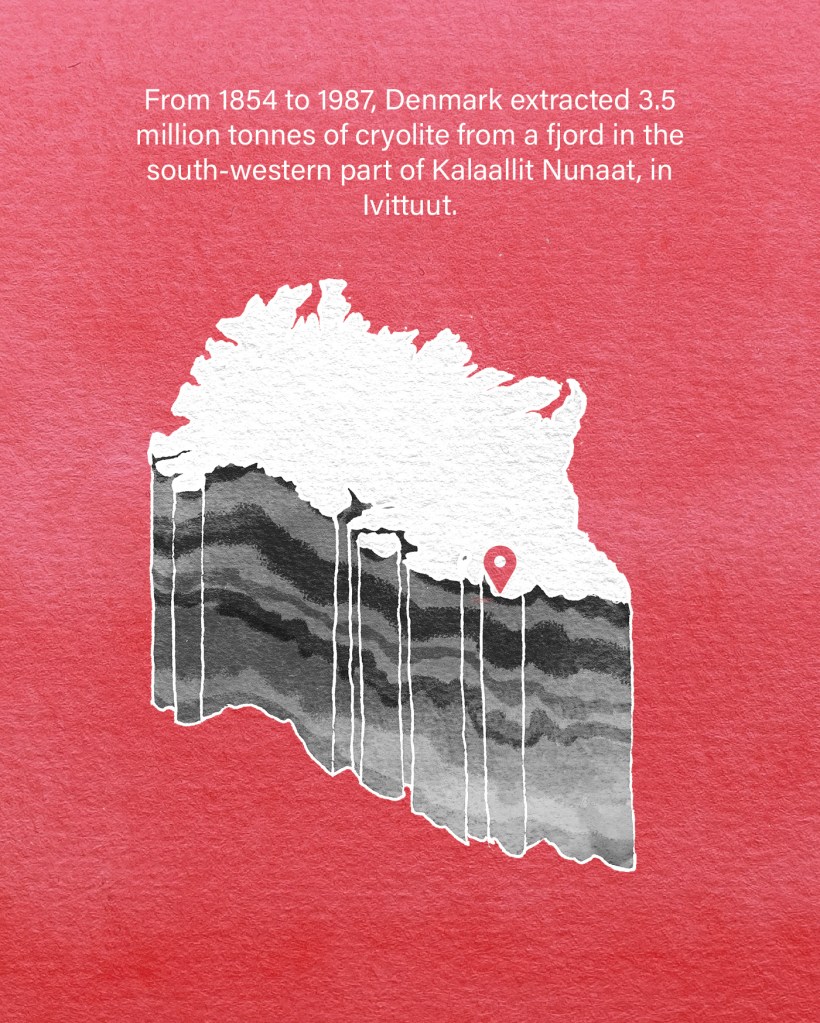
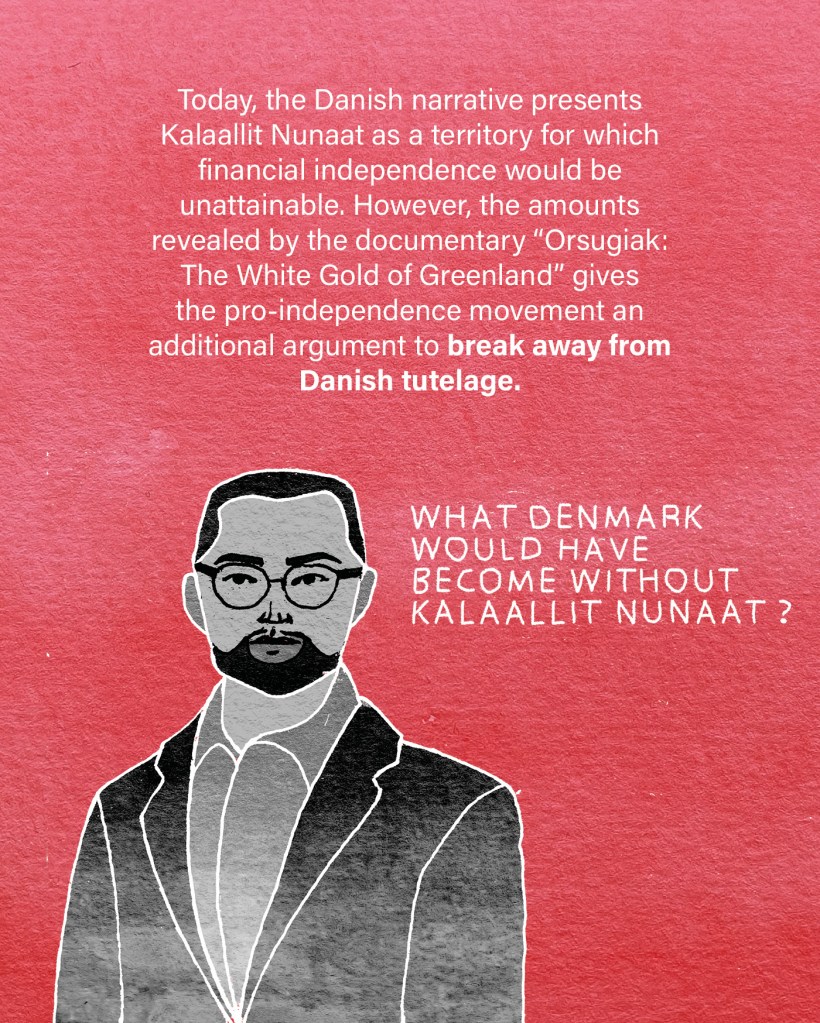
Over the past few days, DR, the Danish broadcasting corporation, has withdrawn the documentary Orsugiak: The White Gold of Greenland from its catalog. The documentary, produced by DR and originally broadcast on February 9, recounts the investigation by Danish-Kalaaleq (sing. Greenlandic-e) researcher Naja Dyrendom Graugaard, a specialist in colonial issues, into Danish extractivist activities in Kalaallit Nunaat (the indigenous name for the territory referred to as Greenland) during and after the colonial era. The investigation shows that between 1854 and 1987, Denmark extracted around 3.5 million tonnes of cryolite from a fjord in southern Kalaallit Nunaat, with an estimated turnover of 400 billion Danish kroner in 2025 (around 54 billion euros). Cryolite is a rare mineral that forms the basis of the aluminum industry, based on a combination with alumina extracted from bauxite. It is now depleted and produced artificially. The only deposit was at Ivittuut, in south-western Kalaallit Nunaat. The exposure of Danish extractivist activities in Kalaallit Nunaat, but above all the quantification of the revenues derived by the Danish colonial power, provoked great indignation in Kalaallit Nunaat and denial in Denmark. DR’s withdrawal of the documentary illustrates the extent of tensions surrounding the recognition of Danish colonial history, at a time when the March 11 parliamentary elections in Kalaallit Nunaat could bring the autonomous territory closer to independence.

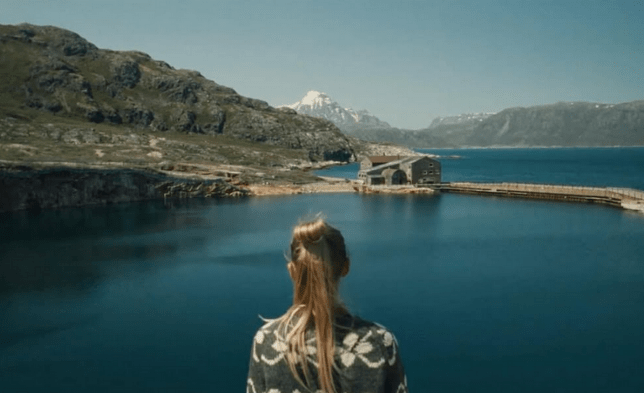
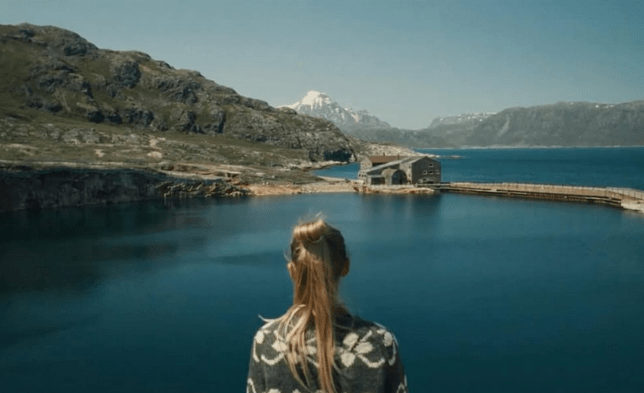
Screenshot from the documentary “Orsugiak: The White Gold of Greenland” © Instagram @white.gold.of.greenland

Outrage and denial

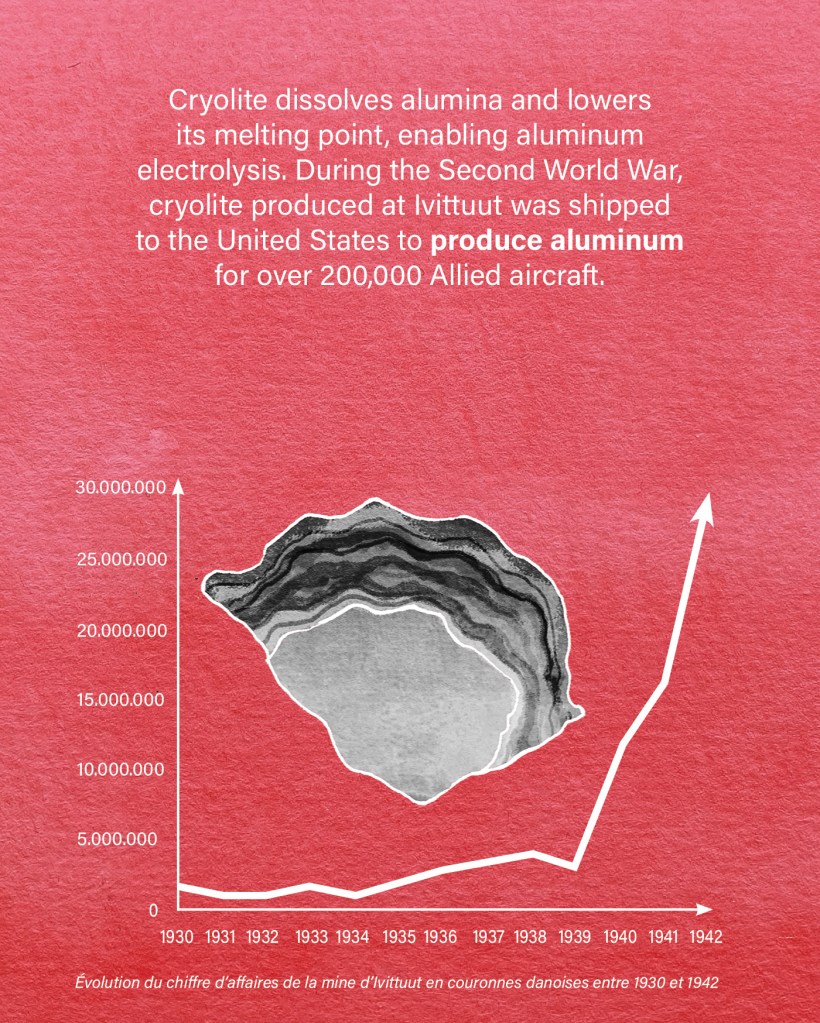
Starting from the Ivittuut open-pit cryolite mine in the south-west of the country, which today is nothing more than a huge water-filled crater, the documentary follows the silver trail from the Kalaaleq subsoil to the Danish state’s accounting records. It also explores the origins of the mine and the story of how cryolite was used to produce aluminum for over 200,000 Allied aircraft during the Second World War. While the Ivittuut mine is widely known at Kalaallit Nunaat, the amount of money generated by its operation remains unknown. The documentary also mentions that the colonial authorities isolated the neighboring colony of Arsuk from the rest of the country for years. The reason for this was the fear of Danish doctors that diseases transmitted by Danish mine workers to the local population could spread. More generally, the mobility of local populations in the region was strictly regulated.

In the course of the documentary, and from the account books unearthed by a Danish researcher, we learn that the total revenue shown in the accounts of the company that operated the mine amounts to 400 billion kroner in today’s Denmark (around 54 billion euros). The conversion to present value was carried out by Torben M. Andersen, Professor of Economics at the University of Aarhus and Chairman of the Economic Council of Kalaallit Nunaat. The value of cryolite increased considerably when it was discovered in 1886 that the raw material could be used to produce aluminum. Raw cryolite was transported by ship to Denmark and processed in a plant from where it was sold. As early as 1864, the Pennsylvania Salt Manufacturing Company, also known as PennSalt (now Pennwalt Cooperation), signed a contract with the Danish government to obtain cryolite from Ivittuut. During the Nazi occupation of Denmark, the raw cryolite was sold directly to the American company Pennsalt.

Previewed in Nuuk (the capital of Kalaallit Nunaat), the documentary caused a stir among Kalaallit (pl. Greenlandic) citizens and politicians. For the president of Siumut, one of the main parties in the ruling coalition, Erik Jensen, the documentary shows that the Kalaallit’s desire for independence is not unrealistic: “It has reinforced our feeling that we can stand on our own two feet at Kalaallit Nunaat. That we’re not just an expense.” Reversing the stigma, Prime Minister Kalaaleq questionned: “What would Denmark have become without Kalaallit Nunaat?” For Sara Olsvig, president of the Inuit Circumpolar Council (ICC), “the documentary should give further impetus to Denmark’s journey towards a better understanding of itself as a colonial power.” In Denmark, however, the documentary has triggered fierce criticism, particularly from the Conservative and Liberal parties and the Minister of Culture, Jakob Engel-Schmidt, who called the documentary “disinformation”. While several economists have cast doubt on the figures that have crystallized the criticism, Torben M. Andersen clearly emphasizes in the documentary that it is a calculation of total sales, not profits. For economist Arindam Banerjee, who also takes part in the documentary, it’s important to factor the colonialist relationship into the equation. The fact that Denmark had a monopoly in Kalaallit Nunaat (until 1950), that mining was run by a Danish company, and that Danish workers ran and participated in the operation, all contributed to benefiting the Danish economy in the end. This is why the 400 billion figure can be considered a profit for the Danish company at the expense of Kalaallit Nunaat.

However, in the face of controversy, DR finally decided on February 19 to delete the controversial documentary, which was said to offer an “overly one-sided” and “biased” view of the facts, and to sack its editor-in-chief. A “shameful” decision for Prime Minister Kalaaleq and seen as “serious interference in the independent press, which could threaten press freedom” by the Kalaallit Nunaat Media Association. Nonetheless, the documentary helps to document Denmark’s colonial history, and in particular the role of mining, but also, and perhaps more importantly, highlights a “colonial denial” of it.

Exceptionalism and censorship

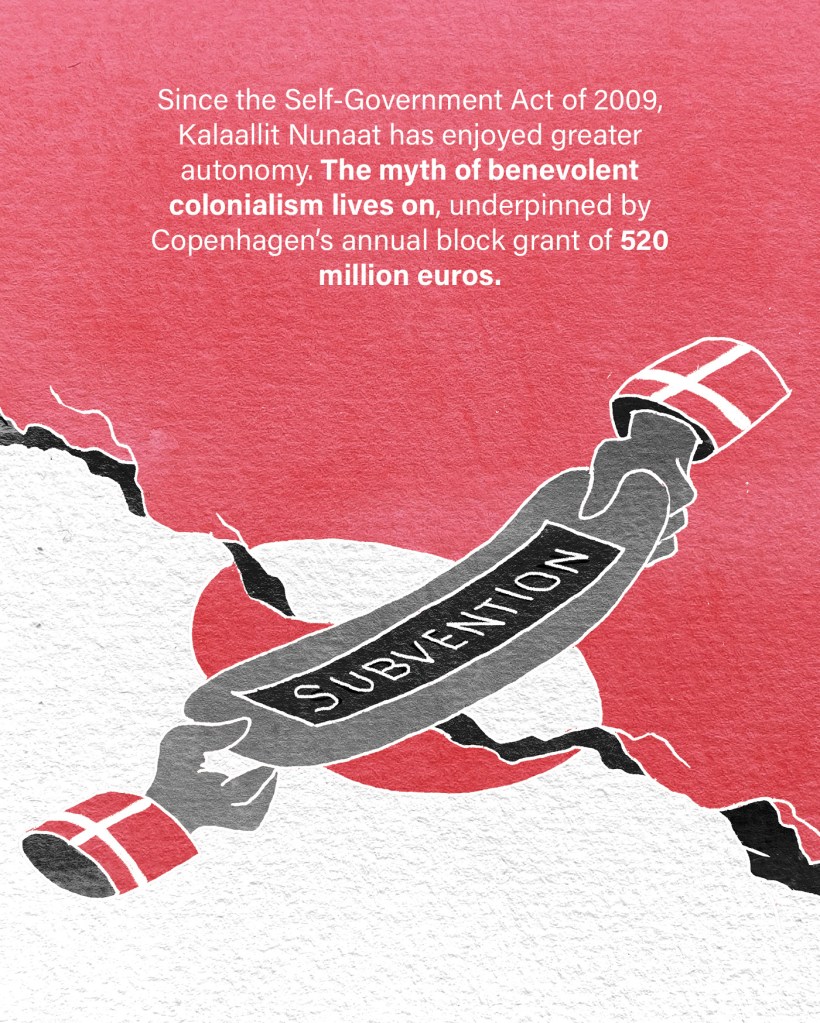
The documentary’s value can be measured by the debate it has provoked. If the denial of the story told in The White Gold of Greenland is so strong, it’s because the myth of benevolent colonialism in Kalaallit Nunaat firmly persists. This myth of “Scandinavian exceptionalism” perpetuates ignorance and denial of Scandinavian participation in the atrocities of colonization, presenting colonial actions accomplished through “collaboration rather than extortion and subjugation” (Naum & Monié Nordin, 2013, p. 4). Unlike France, Great Britain, Spain or Portugal, the Nordic countries are less frequently regarded as colonial powers. Moreover, as Norway, Finland and Iceland only became sovereign nations in the twentieth century, their national identities have not been shaped by consideration of their colonial past (Volquardsen & Körber, 2023). However, the Kingdom of Denmark-Norway did carry out colonial expansions in Kalaallit Nunaat, Iceland, the Faroe Islands and on three different continents: India (1620-1845), Africa (1659-1850) and the Caribbean (1672-1917). According to historian Soren Rud (2017), the Denmark-Kalaallit Nunaat relationship is characterized by denial, shame and pride, which Jensen (2018a) describes as “whitewashing and national self-glorification” (p. 132). As Naum & Monié Nordin (2013) point out, “administrators and travelers visiting northern Scandinavia and Greenland produced an image of the Sami and Inuit population that was essentially no different from representations of Native Americans or Africans in the early modern era” (p. 11). Unlike tropical colonies, Denmark’s relationship with Kalaallit Nunaat was never completely severed (see Jensen, 2018a), which necessitates a close examination of how colonial legacies persist in the present.

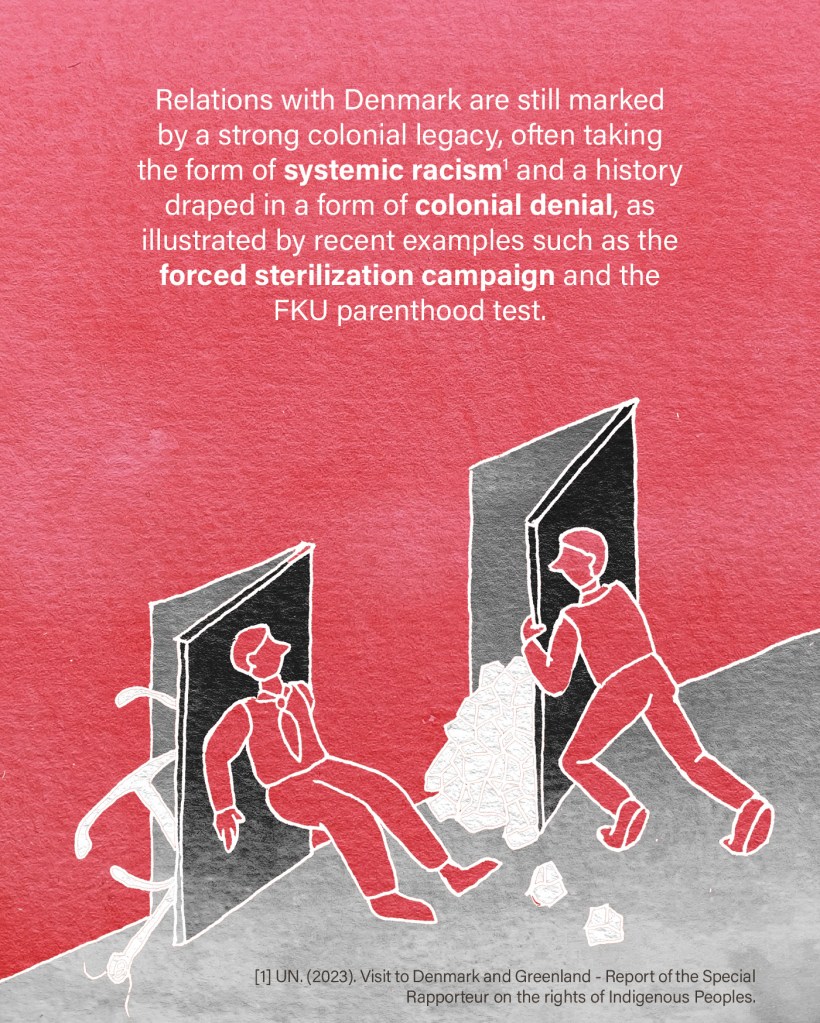
In recent years, the revelation of the colonial violence of the Kalaallit women’s sterilization campaign in the 1960s, described as genocide by Prime Minister Kalaaleq, has helped to document colonial remnants and challenge the myth of “benevolent colonialism”. More recently, the Danish Parenting Assessment Test (FKU), one of the psychometric tests widely used in Denmark to assess parenting skills, has been strongly criticized for reproducing racist discrimination. At the end of February, a demonstration against Danish racism was held in Nuuk, with the Prime Minister in attendance. In 2023, the Special Rapporteur on the Rights of Indigenous Peoples, José Francisco Calí Tzay, highlighted the discrimination suffered by the Kalaallit in accessing their rights, calling for “a process of reconciliation to address the legacy of colonialism and racism and, with the participation of the Inuit, to develop effective solutions and policies”.

In 2009, the Self-Government Act marked an important step towards greater autonomy for Kalaallit Nunaat from Denmark. The Act extended the powers granted to Kalaallit Nunaat under the 1979 Self-Government Act, allowing greater control over domestic affairs, including mining and petroleum rights. Denmark retained authority over foreign affairs, defense and monetary policy. The law also recognized the Kalaallit as a distinct people with the right to self-determination under international law, paving the way for possible future negotiations on full independence.

While relations with Denmark have seriously deteriorated in recent years, and US ambitions have once again been pressing since Donald Trump’s return to the White House, Kalaaleq Prime Minister Mute B. Egede has announced that general elections will be held on March 11. Some in Denmark believe that the documentary could prove disastrous for the Kalaallit, leaving them open to the designs of the United States. However, it seems that the United States’ best ally, if any, is more than ever colonial denial and refusal to acknowledge colonial history. As researcher Marine Duc points out, this would be to deny the Kalaallit’s capacity for action, but also to obliterate the history of their struggles in the face of imperialism. While the main campaign themes should revolve around aspirations to independence, as well as relations with Denmark and the United States, Prime Minister Kalaaleq recently declared forcefully: “We don’t want to be Americans, and we don’t want to be Danes either. We will be Kalaallit”. So, although they differ on the modalities and calendar for implementation, all six parties involved in the March 11 campaign are now in favor of Kalaallit Nunaat’s independence.


The documentary is now available on Faroese TV, but without subtitles. A version with English subtitles has been circulating, but is nowhere to be found.

In solidarity with the team behind the documentary, a petition has been set up here.

References

  • Jensen, L. (2018). Postcolonial Denmark: Nation narration in a crisis ridden Europe. Routledge Taylor and Francis Group.
  • Naum, M., & Monié Nordin, J. (Eds.). (2013). Scandinavian colonialism and the rise of modernity: Small time agents in a global arena. Springer.
  • Rud, S. (2017). Colonialism in Greenland: Tradition, Governance and Legacy. Palgrave Macmillan.
  • Volquardsen, E., & Körber, L.-A. (2023). Kolonialismus und Dekolonisierung [Colonialism and decolonization]. In B. Henningsen & U. F. Brömmling (Eds.), Nordeuropa: Handbuch für Wissenschaft und Studium (1. Auflage). Nomos, Rombach Wissenschaft.

Paul Watson’s Arrest, Arctic Command Rescue, Paris Agreement, Critical Mineral… Summer’s Wrap-Up

The arrest of whale conservation activist Paul Watson on July 21 in Nuuk, following an international arrest warrant charging him with obstructing activities and causing injury and property damage to a Japanese whaling vessel in 2010, has attracted international attention (Eye on the Arctic, August 15). While his request for release has been rejected and he will remain in kalaallit jails until at least September 5, 2024, the activist could be extradited to Japan if the Danish Ministry of Justice, which has retained its prerogatives despite Kalaallit Nunaat’s increased autonomy, so decides (Sermitsiaq, August 20). In Kalaallit Nunaat, Paul Watson remains associated with pressure on Inuit hunters and Inuit ways of life (Mediapart, July 23). At the end of July, Arctic Command rescued the pilots whose plane had crashed into the open ocean near Qaqortoq, in southern Kalaallit Nunaat (Sermitsiaq, July 29). Search and rescue capabilities are becoming an increasingly important issue as commercial and tourist activity intensifies in the region (High North News, August 1). On the climate front, “the Paris Agreement is not just a symbolic act”, said UN Climate Secretary Simon Stiell, commenting on Kalaallit Nunaat’s accession to the Paris Agreement at a time when temperatures in the Arctic are rising four times faster than in the rest of the world. The Minister for Agriculture, Self-Sufficiency, Energy and the Environment, Kalistat Lund, has indicated that he will develop a climate strategy following local consultation throughout the country (Sermitsiaq, July 3). At UN level, the President of the Inuit Circumpolar Council (ICC), Sara Olsvig, has been appointed to the Expert Group on Rare Minerals for Energy Transition, to ensure that the recommendations made by the working group are in line with the UN Declaration on the Rights of Indigenous Peoples. Its presence is all the more important given that 54% of critical mineral deposits known to date are located on or near the territories of indigenous peoples (Sermitsiaq, July 14). In the kalaaleq parliament, Inatsisartut, the president of Naleraq’s party, Pele Broberg, known for his pro-independence stance, is going to propose a change to the rules of procedure so that the only language used will be Greenlandic, raising questions of national belonging for many Greenlanders who are not fluent in Kalaallisut, the national language (Sermitsiaq, August 6; Altinget, August 19). On the other hand, academic work to clearly establish the facts about the sterilization of Greenlandic girls and women from the 1960s onwards is currently being held up by the rejection of access to public health archives (Sermitsiaq, July 23; Sermitsiaq, July 25). Due to disputes with the Swedish presidency over the country’s secondary position, the President of the Greenland National Executive, Múte B. Egede, will not be taking part in the conference. Egede will not be taking part in the Nordic Council’s work or in the annual session in Reykjavik this autumn (Altinget, August 21). This summer, several towns were visited by polar bears, resulting in several preventive culls, notably in Ittoqqortoormiit, on the east coast. A researcher from a German research team on Traill Island, near Mestersvig in eastern Greenland, was attacked by a polar bear (Sermitsiaq, July 30). Finally, the US Secretary of the Navy, Carlos Del Toro, recently met with the Danish Ministry of Defense and military leaders in Copenhagen, as well as exchanging views with Faroese Foreign Minister Høgni Hoydal, to discuss the Russian threat and opportunities for increased cooperation in the Arctic and North Atlantic. The Faroe Islands, which will shortly be opening an office in Washington, is committed in its Arctic strategy to enhanced cooperation with other allies in the Arctic and wider North Atlantic to actively contribute to the preservation of security and stability (High North News, August 19).

Une entreprise minière soutenue par Bezos et Gates va commencer à forer au Groenland

English below

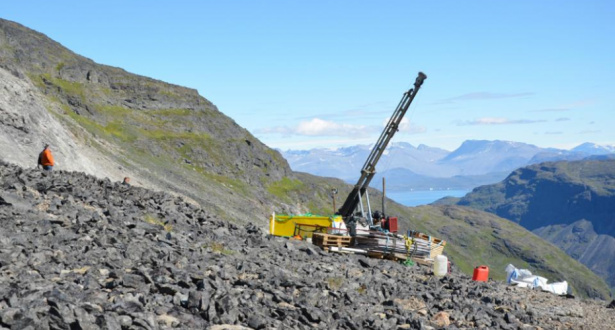
La société d’exploration minière, KoBold Metals, soutenue notamment par Jeff Bezos et Bill Gates, a déclaré fin mars qu’elle allait commencer à forer au Groenland pour trouver des matériaux essentiels utilisés dans les véhicules électriques.

L’approche minière non conventionnelle de KoBold utilise le machine learning (ML) pour prédire les emplacements miniers productifs. Pour ce faire, la société utilisera notamment des drones et prévoit de forer cette année un total de 3 000 mètres à des profondeurs comprises entre 150 et 400 mètres. KoBold Metals a obtenu l’an dernier une participation de 51 % dans le projet Disko-Nuussuaq, sur la côte ouest du Groenland, qui est exploité par Bluejay Mining. Dans le contexte de l’invasion de l’Ukraine, le prix des métaux rares a explosé, et KoBold a levé, en février dernier, pas moins de 192,5 millions de dollars pour l’exploration de matériaux critiques. Comme le souligne Bo Steensgaard, directeur général de Bluejay Mining, “the recent unfortunate geopolitical developments clearly show that the Western world needs new deposits of these critical metals”. 

 Mining company backed by Bezos and Gates to start drilling in Greenland

The mining exploration company, KoBold Metals, backed by Jeff Bezos and Bill Gates, among others, said in late March that it would begin drilling in Greenland for key materials used in electric vehicles.

KoBold’s unconventional mining approach uses machine learning (ML) to predict productive mining locations. This will include the use of drones and the company plans to drill a total of 3,000 meters this year at depths between 150 and 400 meters. KoBold Metals last year earned a 51% interest in the Disko-Nuussuaq project on Greenland’s west coast, which is operated by Bluejay Mining. With the invasion of Ukraine, the price of rare metals has skyrocketed, and KoBold last February raised as much as $192.5 million to explore for critical materials. As Bo Steensgaard, managing director of Bluejay Mining, points out, “the recent unfortunate geopolitical developments clearly show that the Western world needs new deposits of these critical metals.

Sources : Reuters