Macron in Nuuk, Cooperation within the Kingdom & Near-Ittoqqortoormiit Mining License… June’s Wrap-up

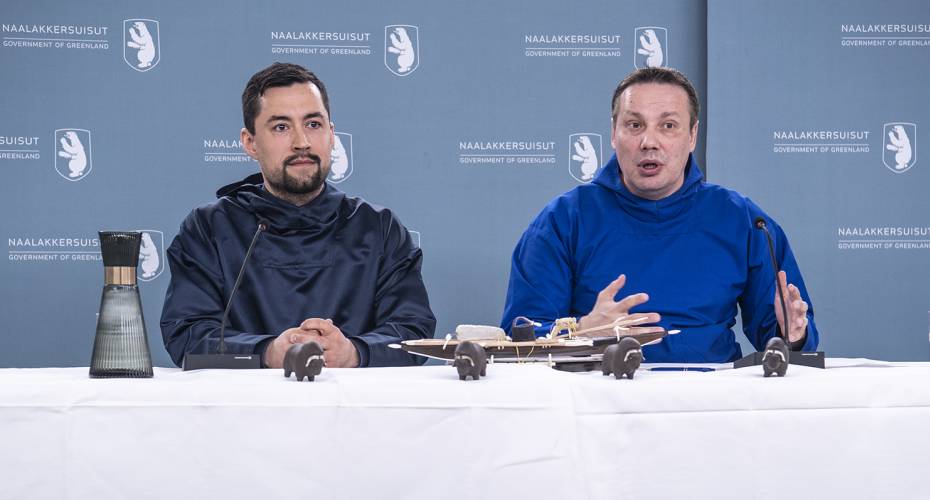
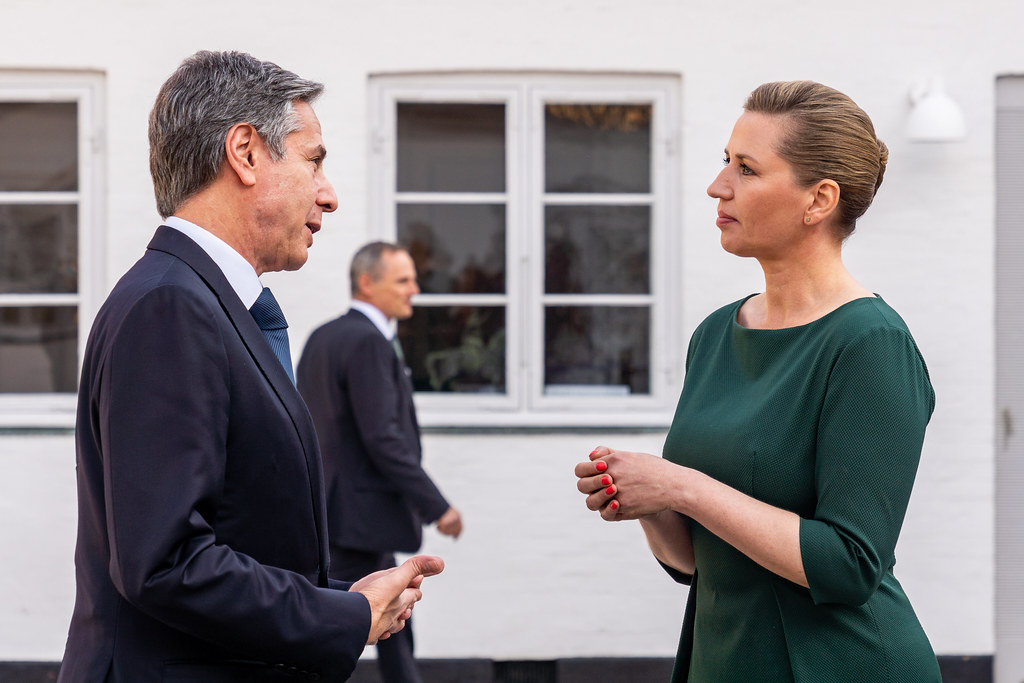
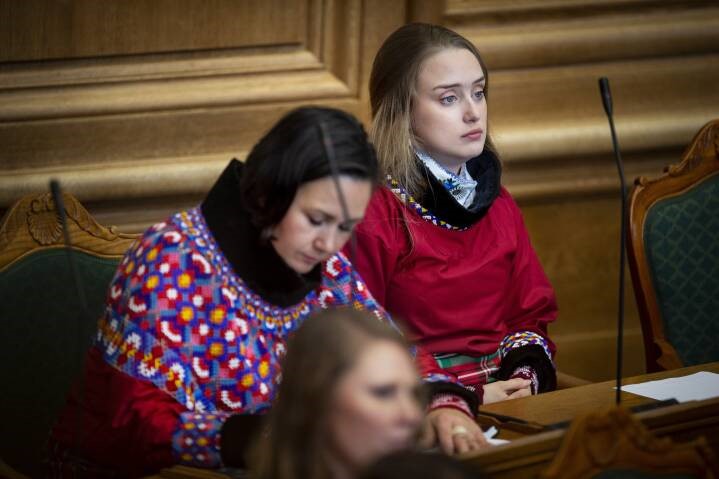
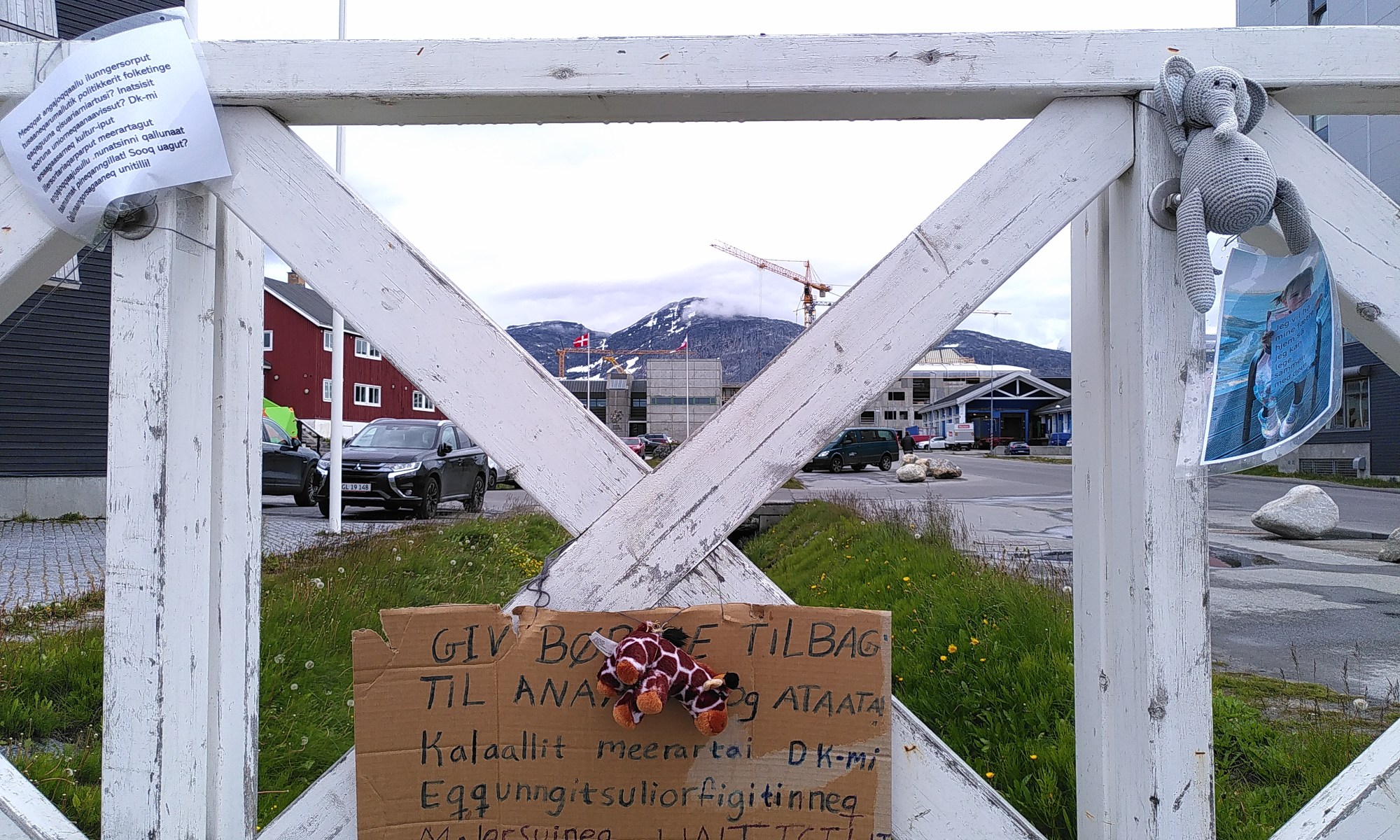
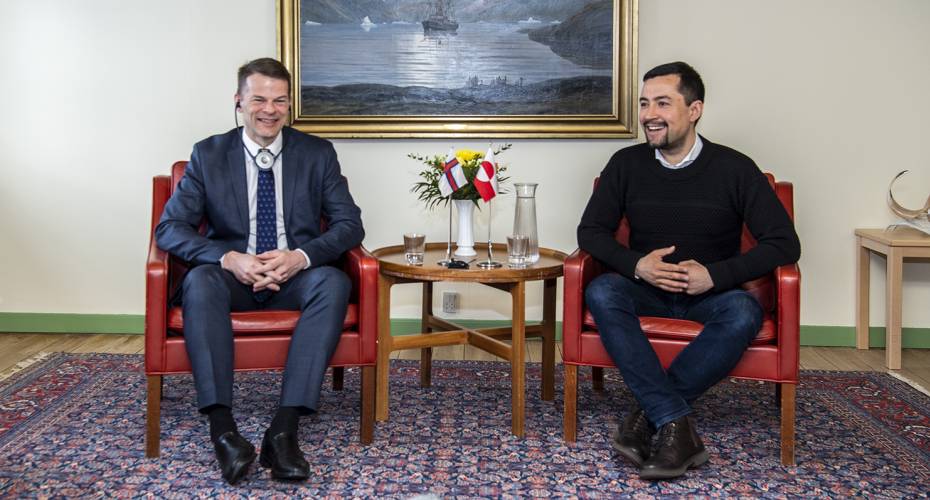
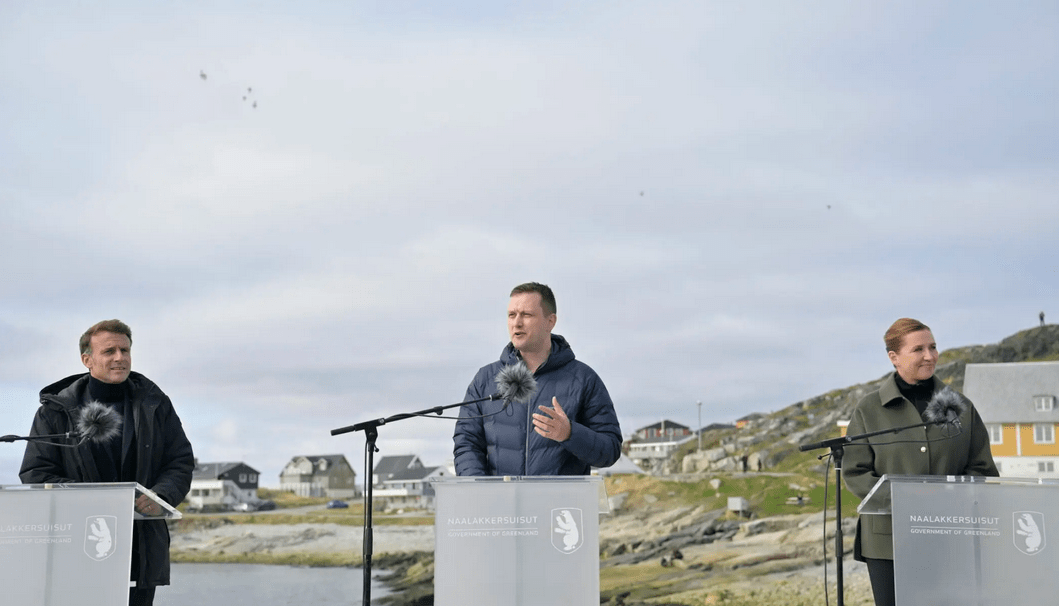
On a visit to Greenland ahead of the G7 in Kananaskis, Canada, the French President met with Danish Prime Minister Mette Frederiksen and Greenlandic Prime Minister Jens-Frederik Nielsen during a visit to Nuuk. Emmanuel Macron affirmed his support for Greenland and announced that France is ready to strengthen its commitment to the Arctic through joint exercises and economic and social partnerships (High North News, June 16). He also announced the opening of a French consulate general in Nuuk, while a European representation was inaugurated in March (Sermitsiaq, June 15). At the end of May, the heads of government of the eight Nordic countries met in Finland. While Greenland, the Faroe Islands, and Åland had been repeatedly excluded in recent months, the eight Nordic countries committed to including them in future Nordic ministerial meetings and to strengthening cooperation on civil preparedness and resilience (High North News, May 30). In mid-June, the heads of government of the Faroe Islands, Greenland, and Denmark convened for their biannual meeting in the Faroese capital, Tórshavn. Beyond increased pressures in the Arctic, the Faroe Islands and Greenland have engaged in dialogue for greater autonomy in foreign affairs, while the Danish prime minister has called for a “modernization of the Kingdom” and greater investment in Greenland (High North News, June 18; Eye on the Arctic, June 17). “We have made it clear that if Greenland wants to amend the Self-Government Act, including ensuring better economic frameworks for Greenland in relation to mineral extraction, we are ready to conclude this agreement on the Danish side,” said Mette Frederiksen (Sermitsiaq, June 17). The head of defense attended this biannual meeting for the first time (Altinget, June 18). In coordination with the Greenlandic government, the Danish armed forces will increase their presence in Greenland this summer, with a frigate and two helicopters now in place to strengthen military operations in the Arctic (High North News, June 11). At the same time, the Danish Parliament approved the installation of US military bases on Danish soil (Eye on the Arctic, June 12). Furthermore, at the NATO summit in The Hague, where the Greenlandic government wanted to meet with their US counterparts (Sermitsiaq, June 23), Denmark formally entered into a partnership with Canada, Germany, and Norway on maritime security and military cooperation in the North Atlantic (Sermitsiaq, June 25). Also in June, Greenland granted a 30-year permit to a European Union-backed project to mine molybdenum, a critical metal used in aerospace, energy, and defense, on which China has imposed export controls. The permit was granted to Greenland Resources, a Toronto-listed company backed by the European Raw Materials Alliance, which holds the license for the Malmbjerg project near Ittoqqortoormiit, the northernmost town on the east coast. The open-pit mine could supply about 25% of Europe’s molybdenum consumption (Sermitsiaq, June 19;  Eye on the Arctic , June 19). Regionally, the Kingdom of Denmark held its first session of the Arctic Council; “Engagement with indigenous peoples, focused on promoting knowledge sharing, is a cross-cutting priority for the Kingdom of Denmark,” said Kenneth Høegh, the Greenlandic SAO representing the Kingdom of Denmark (Eye on the Arctic, June 17). Finally, in Denmark, a new organization called Uagut (“us” in Greenlandic) was founded by Greenlanders in Denmark. This organization aims to give a voice to the approximately 17,000 Greenlanders living in Denmark and to combat discrimination against them (Sermitsiaq, June 22).

Paul Watson’s Detention, Flights between Iqaluit-Nuuk and within the Arctic… October’s Wrap-Up

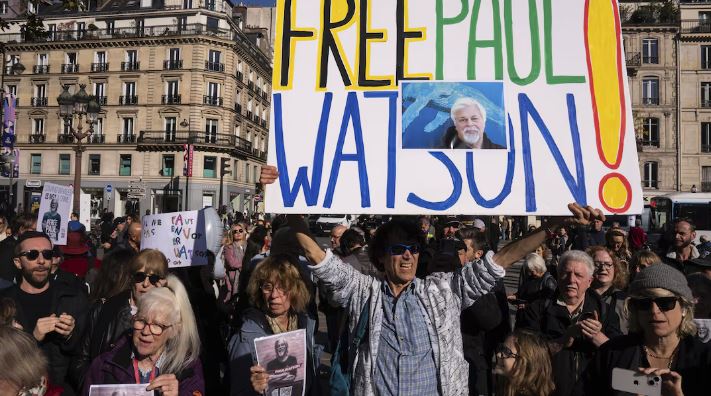
On October 23, the Kalaaleq Court decided to extend the detention of activist Paul Watson until November 13, pending the Danish government’s decision on Japan’s extradition request (AFP, October 24). The direct flights between Iqaluit and Nuuk, launched for the second year by Air Greenland after more than ten years, are a success. According to the figures, 70% of seats were occupied on this 37-seat weekly flight between June 26 and October 23 (Eye on the Arctic, October 24). An agreement has also been signed between Air Greenland and Icelandair at Arctic Circle to improve connections between Kalaallit Nunaat, Canada and the Faroe Islands. The agreement will come into effect next summer, and will enable passengers to book flights with both airlines on a single ticket. Keflavik airport in Iceland will be the departure point for these flights, linking Kalaallit Nunaat to Icelandair’s network of North American routes (Eye on the Arctic, October 23).

Author: Magali Vuillerme (translation). Photo: Associated Press/Louise Delmotte.

Revue de mai : le Groenland suspend sa participation au Conseil Nordique, l’UE et les terres rares

English below.

Après avoir reçu une fin de non-recevoir de la part de la présidence suédoise du Conseil Nordique quant à la demande de participation pleine du Groenland, des îles Féroé et Åland, Múte B. Egede, le premier ministre groenlandais a mis en suspens sa participation au Conseil Nordique et au Conseil des Ministres nordiques jusqu’à ce que “le respect mutuel et l’égalité” soient rétablis (Naalakkersuisut, 7 mai). Le premier ministre groenlandais a précisé : “Je ne peux pas continuer à participer à des événements où il y a de la discrimination entre les participants.” (Sermitsiaq, 8 mai). Pour rappel, le Conseil Nordique (N5) regroupe le Danemark, la Suède, la Norvège, la Finlande et l’Islande. En 2023, la résidence islandaise avait invité les N8 (N5 + le Groenland, les îles Féroé et Åland) au sommet estival (Altinget, 2 mai). Ce boycott groenlandais doit être compris à la lumière de la nouvelle stratégie étrangère, de sécurité et de défense “Greenland in the world – nothing about us, without us”, dans laquelle le Grenland entend jouer un rôle prédominant dans les instances de gouvernance régionale (voir ici). Plus tôt, le demande pour plus d’égalité au sein du Conseil Nordique formulé par les îles Féroé avait été sèchement rejetée (Altinget, 2 mai). A ce sujet, les îles Féroés ont voté leur nouvelle stratégie arctique dans laquelle est réaffirmée la volonté “d’obtenir une voix indépendante dans toutes les organisations et tous les domaines de coopération concernés” (Eye on the Arctic, 13 mai). Par contraste à la situation au sein du Conseil Nordique, la récente visite d’Ursula von der Leyen aux îles Féroé et au Groenland, et la future présidence danoise du Conseil de l’UE en 2025, augure d’un renforcement de leur coopération avec l’Union Européenne (Altinget, 29 avril). Sur le plan régional, le Groenland pourrait aussi bénéficier d’un rôle accru au sein du Conseil de l’Arctique, lorsque le Danemark en prendra la présidence tournante en 2025 (High North News, 14 mai). La question des matières premières et des terres rares est particulièrement scrutée par les dirigeantes et dirigeants européens, alors que fin 2023, le Naalakkersuisut (gouvernement groenlandais) et l’UE ont conclu un accord de partenariat sur les chaînes de valeur durables pour les matières premières (voir ici). Le Groenland possède 25 des 34 matières premières que la Commission européenne considère comme essentielles pour pouvoir produire, entre autres, des éoliennes et des voitures électriques. Soulignant l’échec de la Chine avec le Groenland à ce sujet, Margrethe Vestager, Commissaire européen à la Concurrence,  considère que si des mesures incitatives européennes sont possibles “ce sont les Groenlandais qui doivent décider en premier lieu de la manière dont ils souhaitent que ces ressources soient utilisées. Et il est absolument essentiel que ce soient les Groenlandais qui soient chargés de déterminer comment cela deviendra une réalité” (Altinget, 7 mai). Au Danemark, le parlement a voté un nouvel accord de défense à hauteur de 95 milliards de couronnes sur 2024-2033, lequel prévoit la création d’une brigade prête au combat de 6 000 soldats, l’acquisition d’une défense aérienne basée au sol et l’extension de la conscription à 11 mois (Altinget, 1 mai). Un accord séparé a également été conclu sur l’égalité totale dans la conscription ; les femmes pourront donc être obligées de faire leur service militaire à partir du 1er janvier 2027 (Altinget, 30 avril). Enfin, aux Nations Unis, Sara Olsvig, la porte parole de l’Iuit Circumpolar Council, s’est inquiétée des conséquences de la diminution des contributions des États à l’ONU sur les droits des peuples autochtones (Sermitsiaq, 3 mai). L’an dernier, le rapporteur spécial sur les droits des peuples autochtones, José Francisco Calí Tzay avait dans son rapport dénoncé les discriminations subies par les groenlandaises et les groenlandais dans l’accès à leurs droits, ainsi que les politiques danoises particulièrement violentes (notamment la campagne de stérilisation des filles et des femmes dans les années 1960-70) (voir ici).

– May Review: Greenland suspends its participation in the Nordic Council, the EU and rare earths

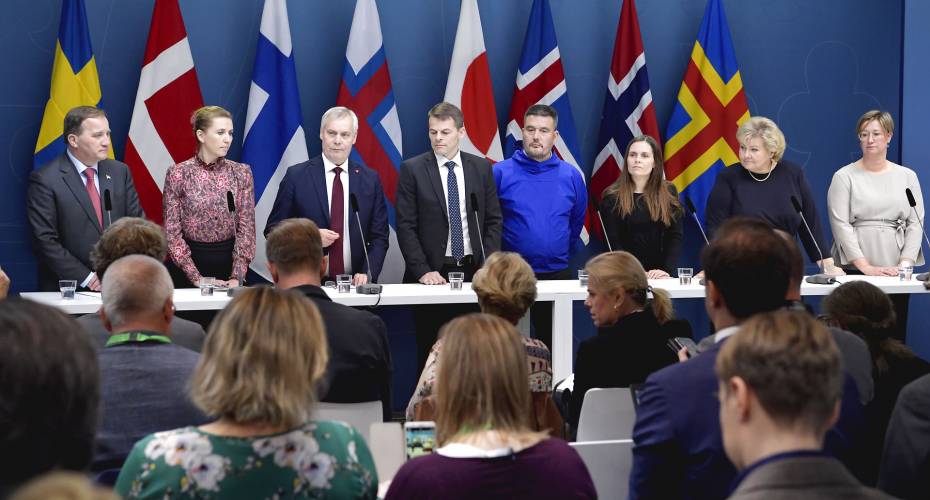
After receiving a refusal from the Swedish presidency of the Nordic Council to allow Greenland, the Faroe Islands and Åland to participate fully, Múte B. Egede, Greenland’s prime minister, has put his participation in the Nordic Council and the Nordic Council of Ministers on hold until “mutual respect and equality” are re-established. Egede, the Greenlandic Prime Minister has suspended his participation in the Nordic Council and the Nordic Council of Ministers until “mutual respect and equality” are re-established (Naalakkersuisut, May 7). The Greenlandic Prime Minister clarified, “I cannot continue to participate in events where there is discrimination between participants.” (Sermitsiaq, May 8). The Nordic Council (N5) comprises Denmark, Sweden, Norway, Finland and Iceland. In 2023, the Icelandic residence had invited the N8 (N5 + Greenland, the Faroe Islands and Åland) to the summer summit (Altinget, May 2). This Greenlandic boycott must be understood in the light of the new foreign, security and defense strategy “Greenland in the world – nothing about us, without us”, in which Grenland intends to play a predominant role in regional governance bodies (see here). Earlier, the Faroe Islands’ request for greater equality within the Nordic Council was curtly rejected (Altinget, May 2). On this subject, the Faroe Islands have voted in their new Arctic strategy, which reaffirms the desire “to obtain an independent voice in all relevant organizations and areas of cooperation” (Eye on the Arctic, May 13). In contrast to the situation within the Nordic Council, Ursula von der Leyen’s recent visit to the Faroe Islands and Greenland, and Denmark’s forthcoming presidency of the EU Council in 2025, augurs well for closer cooperation with the European Union (Altinget, April 29). On a regional level, Greenland could also benefit from an enhanced role in the Arctic Council, when Denmark takes over the rotating presidency in 2025 (High North News, May 14). The issue of raw materials and rare earths is under particular scrutiny by European leaders, as at the end of 2023, the Naalakkersuisut (Greenlandic government) and the EU signed a partnership agreement on sustainable value chains for raw materials (see here). Greenland possesses 25 of the 34 raw materials that the European Commission considers essential for the production of wind turbines and electric cars, among other things. Pointing to China’s failure with Greenland in this respect, Margrethe Vestager, European Commissioner for Competition, considers that if European incentives are possible “it is the Greenlanders who must decide in the first instance how they want these resources to be used. And it is absolutely essential that it is the Greenlanders who are responsible for determining how this becomes a reality” (Altinget, May 7). In Denmark, parliament passed a new 95 billion kroner defense agreement for 2024-2033, which includes the creation of a 6,000-strong combat-ready brigade, the acquisition of ground-based air defense and the extension of conscription to 11 months (Altinget, May 1). A separate agreement was also reached on total equality in conscription; women could therefore be obliged to do military service from January 1, 2027 (Altinget, April 30). Finally, at the United Nations, Sara Olsvig, spokeswoman for the Iuit Circumpolar Council, expressed concern about the consequences of the reduction in state contributions to the UN on the rights of indigenous peoples (Sermitsiaq, May 3). Last year, the Special Rapporteur on the Rights of Indigenous Peoples, José Francisco Calí Tzay, denounced in his report the discrimination suffered by Greenlanders in access to their rights, as well as particularly violent Danish policies (notably the campaign to sterilize girls and women in the 1960s-70s) (see here).

Revue d’avril : Discours sur l’Unité du Royaume

English below.

Lors du discours sur l’Unité du Royaume, après avoir affirmé la nécessité de former une union forte en Arctique et en Atlantique Nord, la Première ministre Mette Frederiksen a souligné qu’elle était prête à examiner le cadre du Royaume s’il y avait une demande concrète de la part des îles Féroé ou du Groenland. Par ailleurs, la question du poste non pourvu d’Ambassadeur de l’Arctique suite à un désaccord dano-groenlandais n’a pas été mentionné (Sermitsiaq, 19 avril). En parallèle, le Danemark a renforcé son engagement militaire dans l’Atlantique Nord avec cinq nouveaux attachés de défense (un à Ottawa, un à Oslo, un à l’ONU et deux à l’OTAN) (Regard sur l’Arctique, 23 avril). Au parlement danois, un an après son intervention pour demander la traduction des débats en groenlandais, Aki-Matilda Høegh-Dam a décidé de mettre en place son propre système de traduction pour rendre les débats accessibles à ses concitoyens (Altinget, 19 avril).

– April Review: Speech on the Unity of the Kingdom

During her speech on the Unity of the Kingdom, after affirming the need to form a strong union in the Arctic and North Atlantic, Prime Minister Mette Frederiksen stressed that she was ready to examine the framework of the Kingdom if there was a concrete request from the Faroe Islands or Greenland. On the other hand, the issue of the unfilled post of Arctic Ambassador following a Danish-Greenlandic disagreement was not mentioned (Sermitsiaq, April 19). At the same time, Denmark has strengthened its military commitment in the North Atlantic with five new defense attachés (one in Ottawa, one in Oslo, one at the UN and two at NATO) (Regard sur l’Arctique, April 23). In the Danish parliament, a year after she intervened to request the translation of debates into Greenlandic, Aki-Matilda Høegh-Dam decided to set up her own translation system to make debates accessible to her fellow citizens (Altinget, April 19).

Revue de juillet-août : élections au Siumut, recours sur l’uranium et températures records en juillet

English below

L’actuel président du Siumut, Erik Jensen, a été réélu au premier tour (39 voix sur 68) pour diriger le second plus grand parti du pays. En cas de victoire de l’un (Kim Kielsen) ou l’une de ses rivales (Aki-Matilda Høegh-Dam), de nouvelles élections nationales à la rentrée pouvaient être attendues, ainsi que des prises de positions plus tranchées sur l’indépendance ou encore l’uranium, sur lequel le parti n’a pas de position stable depuis 2013 (DR, 30 juillet). Le réélection d’Erik Jensen signe donc le choix du “pragmatisme” et de la stabilité au sein de la coalition (DR, 30 juillet ; Sermitsiaq, 31 juillet). En 2021, menée par le parti IA, la coalition avait décidé de stopper les projets d’exploration et d’exploitation d’uranium. La compagnie australienne Energy Transition Minerals, qui avait obtenu une permission d’exploration en 2007 et demandé un permis d’exploitation en 2019 pour la mine de Kuannersuit, dans le sud-ouest du Groenland, a décidé d’intenter un recours pour obtenir une compensation de 76,5 milliards de couronnes danoises auprès du Danemark et du Groenland (DR ; Sermitsiaq, 20 juillet). Mi-juillet s’est tenue un sommet entre le président américain et les premiers ministres des pays nordiques, auquel le président groenlandais, Muté B. Egede, et le dirigeant féroïen, Aksel V. Johannesen n’ont pas été invités (Politiken, 22 juillet). Ces derniers ont vivement critiqués les pays Nordiques pour leur absence de considération répétée à leur égard : “Si les pays nordiques ne veulent pas prendre la coopération avec nous au sérieux et veiller à ce que nous soyons impliqués et entendus lors des négociations, nous devons réévaluer notre participation et regarder plus à l’ouest, vers d’autres pays de l’Arctique, et voir si nous pouvons développer une collaboration dans laquelle nous sommes pris au sérieux”, a averti Muté B. Egede à Sermitsiaq (15 juillet). Ceci s’ajoute aux tensions déjà fortes avec le Danemark qui se succèdent depuis plusieurs mois (Altinget, 14 août). Les discussions entre le Danemark, les îles Féroé et le Groenland autour du renforcement de la coopération avec les États-Unis dans l’Arctique, décidés en juin dernier, seront sur la table des négociations dans les prochains mois (Altinget, 3 août). Sur le plan climatique, d’après le Danish Meteorological Institute (DMI), les températures du mois de juillet 2023 ont été supérieures de  4,4°C à la moyenne observée depuis 1991 au sommet de la calotte glaciaire (station Summit) (DR, 11 août), tandis que des records de fonte de l’inlandsis ont aussi été observés par la NASA au mois de juillet (Eye on the Arctic, 2 août). D’après une autre étude menée par l’Université d’Aalborg, la population de la communauté d’Ittoqqortoormiit, à l’est du Groenland, et bien qu’elle vive loin des sources de pollution par les PFAS, celle-ci présente des concentrations de ces substances dans le sang parmi les plus élevées au monde (Sermitsiaq, 12 juillet). Le gouvernement a déclaré prendre cette étude très au sérieux et a annoncé son intention de ratifier la Convention de Stockholm sur les polluants organiques persistants (POP) (Sermitsiaq, 24 juillet). Par ailleurs, le colonel Søren Andersen a été nommé général de division et nouveau commandant du Commandement de l’Arctique (Altinget, 9 août).

– July-August review: Siumut elections, uranium appeal and record temperatures in July

Siumut’s current president, Erik Jensen, was re-elected in the first round (39 votes out of 68) to lead the country’s second-largest party. In the event of victory for one (Kim Kielsen) or the other of his rivals (Aki-Matilda Høegh-Dam), new national elections in the autumn could be expected, as well as stronger positions on independence or uranium, on which the party has had no stable position since 2013 (DR, July 30). Erik Jensen’s re-election signals the choice of “pragmatism” and stability within the coalition (DR, July 30; Sermitsiaq, July 31). In 2021, led by the IA party, the coalition had decided to halt uranium exploration and mining projects. The Australian company Energy Transition Minerals, which had obtained exploration permission in 2007 and applied for a mining permit in 2019 for the Kuannersuit mine in south-west Greenland, decided to seek compensation of DKK 76.5 billion from Denmark and Greenland (DR; Sermitsiaq, July 20). In mid-July, a summit was held between the American president and the prime ministers of the Nordic countries, to which the Greenlandic president, Muté B. Egede, and the Faroese leader, Aksel V. Johannesen, were not invited. Egede and Faroese leader Aksel V. Johannesen were not invited (Politiken, July 22). The latter strongly criticized the Nordic countries for their repeated lack of consideration for them: “If the Nordic countries don’t want to take cooperation with us seriously and ensure that we are involved and heard in the negotiations, we need to re-evaluate our participation and look further west, to other Arctic countries, and see if we can develop a collaboration in which we are taken seriously”, warned Muté B. Egede in Sermitsia. Egede in Sermitsiaq (July 15). This comes on top of the already high tensions with Denmark that have been building up for several months (Altinget, August 14). Discussions between Denmark, the Faroe Islands and Greenland on closer cooperation with the United States in the Arctic, agreed last June, will be on the negotiating table in the coming months (Altinget, August 3). On the climate front, according to the Danish Meteorological Institute (DMI), temperatures in July 2023 were 4.4°C above the average observed since 1991 at the summit of the ice cap (Summit station) (DR, August 11), while record melting of the ice sheet was also observed by NASA in July (Eye on the Arctic, August 2). According to another study conducted by Aalborg University, the population of the community of Ittoqqortoormiit, in eastern Greenland, despite living far from sources of PFAS pollution, has some of the highest concentrations of these substances in their blood in the world (Sermitsiaq, July 12). The government has stated that it takes this study very seriously, and has announced its intention to ratify the Stockholm Convention on Persistent Organic Pollutants (POPs) (Sermitsiaq, July 24). Colonel Søren Andersen has been appointed Major General and new Commander of the Arctic Command (Altinget, August 9).

Revue de juin : Contact Committe, Siumut, Aki-Matilda Høegh-Dam et relations dano-groenlandaises

English below

Le Contact Committee, établi en 2021 comme un forum d’échanges régulier entre le Danemark, le Groenland et les îles Féroé, s’est réuni à Nuuk au début du mois, et a notamment permis de mettre sur la table les tensions dano-groenlandaises exacerbées ces dernier mois (voir ici), de répondre aux exigences de transparence du parlement groenlandais vis-à-vis de la politique étrangère danoise ou encore d’avancer sur la mise en œuvre de l’accord de défense (DR, 6 juin ; DR, 7 juin). La première ministre danoise, Mette Frederiksen, dont le nom est de plus en plus cité comme potentielle future secrétaire générale de l’OTAN (Sermitsiaq, 5 juin), et le ministre des affaires étrangères, Lars Løkke Rasmussen, étaient notamment présents aux côtés de Múte B. Egede et son homologue féroïen, Aksel V. Johannesen. Après plusieurs mois de contestations concernant la nomination d’un ambassadeur de l’Arctique (voir ici), le gouvernement groenlandais a ouvert des discussions quant à la nomination d’un nouvel ambassadeur coopté par le Groenland et/ou par une distribution des postes plus favorables au Groenland à l’avenir (Sermitsiaq, 9 juin). En matière de défense, Troels Lund Poulsen, le ministre danois de la défense, a réaffirmé la centralité de l’Arctique tout en regrettant l’absence de stratégie commune précise à ce stade. L’Arctic capacity package de 2021 prévoyait de créer une formation à la défense sur le sol groenlandais, qui n’a pas été mise en œuvre. Dans l’accord de défense, qui a été présenté par le ministère de la défense à la fin du mois de mai, il est proposé de dépenser 143 milliards de couronnes jusqu’en 2033 (KNR, 7 juin). Sur le plan national, les élections à la tête du parti Siumut pourraient remettre en cause la coalition au pouvoir, et provoquer de nouvelles élections dans les semaines qui viennent, en particulier en cas de victoire d’Aki-Matilda Høegh-Dam (Sermitsiaq, 15 juin). Par ailleurs, cette dernière, élue au Folketing, le parlement danois, vient d’obtenir une réponse favorable de la part de la présidence du parlement à sa demande de reconnaître le féroïen et le groenlandais comme langues officielles au parlement (Sermitsiaq, 14 juin). Après les critiques de Múte B. Egede (voir ici), l’équipe de recherche qui mènera les investigations sur la spiralkampagnen a été mise en place, et devrait rendre ses résultats d’ici deux ans (Sermitsiaq, 30 mai). A ce sujet, la parlementaire groenlandaise au Folketing, Aaja Chemnitz a appelé le gouvernement danois à d’ores et déjà présenter des excuses (Sermitsiaq, 1 juin). En visite au Groenland, Mette Frederiksen, a déclaré : “Je n’ai aucun doute que de graves crimes et erreurs ont été commis dans les relations dano-groenlandaises au fil des ans, même si nous sommes aujourd’hui dans une situation complètement différente” (DK, 7 juin). A ce jour, 163 femmes concernées ont décidé de saisir la justice (Sermitsiaq, 24 juin). Un projet de recherche qui doit faire la lumière sur l’histoire du Danemark au Groenland a également été mise en place en fin de mois (DR, 22 juin).  Enfin, suite à la démission de Kuupik Kleist de son poste de président de Inuit Circumpolar Council (ICC) Greenland, notamment en raison des coupes budgétaires décidées par l’Inatsisartut, le parlement groenlandais, Hjalmar Dahl a été élu à la tête de l’organisation qu’il avait déjà dirigée de 2018 à 2022 (Sermitsiaq, 19 juin).

– June review: Contact Committe, Siumut, Aki-Matilda Høegh-Dam and Danish-Greenish relations

The Contact Committee, established in 2021 as a forum for regular exchanges between Denmark, Greenland and the Faroe Islands, met in Nuuk at the beginning of the month, and provided an opportunity to discuss the Danish-Greenlandic tensions that have been exacerbated in recent months (see here), to respond to the Greenlandic parliament’s demands for transparency with regard to Danish foreign policy and to make progress on the implementation of the defence agreement (DR, 6 June; DR, 7 June). The Danish Prime Minister, Mette Frederiksen, whose name is being mentioned more and more as a potential future Secretary General of NATO (Sermitsiaq, 5 June), and the Minister for Foreign Affairs, Lars Løkke Rasmussen, were present alongside Múte B. Egede and her counterpart from Finland. Egede and his Faroese counterpart, Aksel V. Johannesen. After several months of disputes over the appointment of an Arctic ambassador (see here), the Greenland government has opened discussions on the appointment of a new ambassador co-opted by Greenland and/or a distribution of posts more favourable to Greenland in the future (Sermitsiaq, 9 June). On defence, Troels Lund Poulsen, the Danish Defence Minister, reaffirmed the centrality of the Arctic, while regretting the absence of a precise common strategy at this stage. The 2021 Arctic capacity package provided for the creation of defence training on Greenlandic soil, but this has not been implemented. In the defence agreement, which was presented by the Ministry of Defence at the end of May, it is proposed to spend 143 billion kroner until 2033 (KNR, 7 June). At national level, the Siumut party leadership elections could call into question the coalition in power, and provoke new elections in the coming weeks, particularly if Aki-Matilda Høegh-Dam wins (Sermitsiaq, 15 June). Moreover, Høegh-Dam, who was elected to the Folketing, the Danish parliament, has just received a favourable response from the parliamentary presidency to her request to have Faroese and Greenlandic recognised as official languages in parliament (Sermitsiaq, 14 June). Following criticism from Múte B. Egede (see here), the research team that will carry out the investigations into spiralkampagnen has been set up, and is expected to deliver its findings within two years (Sermitsiaq, 30 May). Greenland’s member of parliament in the Folketing, Aaja Chemnitz, has called on the Danish government to apologise (Sermitsiaq, 1 June). On a visit to Greenland, Mette Frederiksen said: “I have no doubt that serious crimes and mistakes have been committed in Danish-Greenlandic relations over the years, even though we are now in a completely different situation” (DK, 7 June). To date, 163 of the women concerned have decided to go to court (Sermitsiaq, 24 June). A research project to shed light on Denmark’s history in Greenland.

Revue d’avril : Pituffik Space Base, Conseil de l’Arctique, plan de réduction de la dépendance des îles Féroé

English below

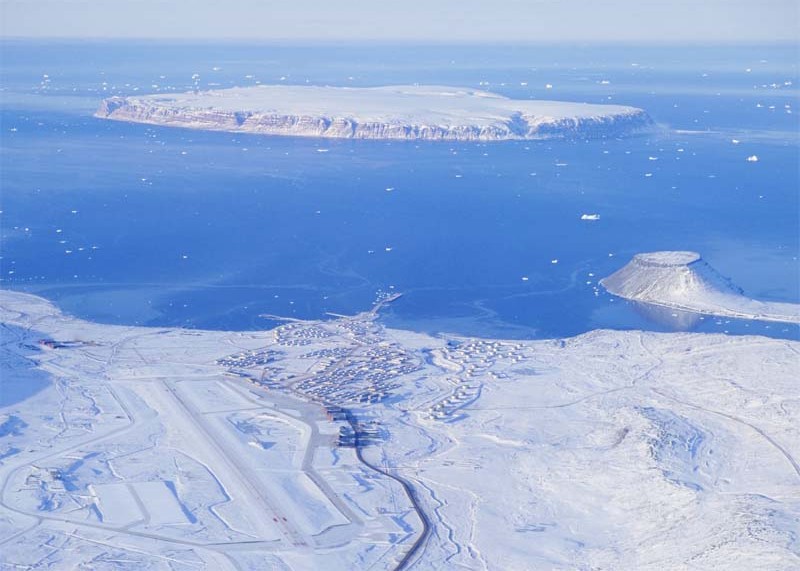
Au Nord du Groenland, la base militaire américaine Thule Air Base, au sud de Qaanaaq, vient d’être renommée Pituffik Space Base. « J’espère que cette journée servira d’exemple de la capacité des grandes nations à écouter leurs voisins, même les plus petits », a déclaré M. Motzfeldt, la ministre groenlandaise des Affaires étrangères, de l’Économie et du Commerce (Eye On The Arctic, 11 avril). Pour Sara Olsvig, présidente de l’Inuit Circumpolar Council (ICC), il s’agit d’un symbole important qui mérite d’être accompagné d’une reconnaissance accrue du déplacement forcé de 187 inughuits (inuits du Nord-Ouest du Groenland) lors de l’agrandissement de la base militaire en 1953 (Sermitsiaq, 6 avril ; Sermitsiaq, 7 avril). À l’instar des autres membres du Conseil de l’Arctique, Lars Løkke Rasmussen, le ministre des Affaires étrangères danois, a annoncé qu’il ne participerait pas physiquement à la réunion ministérielle qui se tient le 11 mai à Salekhard (Russie) ; Thomas Winkler, Ambassadeur de l’Arctique danois, ainsi que les représentants des gouvernements des îles Féroé et du Groenland, y participeront néanmoins à distance (Altinget, 17 avril). Le gouvernement des îles Féroé a mis en place un plan d’action visant à réduire sa dépendance vis-à-vis du Danemark d’ici quatre ans, la coalition au pouvoir vise une réduction de 25 millions de couronnes danoises par an de la subvention globale, qui devrait donc passer de 641 à 541 millions en 2026 (Sermitsiaq, 4 avril).

– April Review: Pituffik Space Base, Arctic Council, Faroe Islands dependency reduction plan

In North Greenland, the US military base Thule Air Base, south of Qaanaaq, has just been renamed Pituffik Space Base. “I hope that this day will serve as an example of how big nations can listen to their neighbours, even the smallest ones” said Motzfeldt, Greenland’s Minister of Foreign Affairs, Economy and Trade (Eye On The Arctic, 11 April). For Sara Olsvig, chair of the Inuit Circumpolar Council (ICC), this is an important symbol that deserves to be accompanied by greater recognition of the forced displacement of 187 Inughuit (Inuit from northwest Greenland) during the expansion of the military base in 1953 (Sermitsiaq, 6 April; Sermitsiaq, 7 April). Like the other members of the Arctic Council, Lars Løkke Rasmussen, the Danish Foreign Minister, has announced that he will not physically participate in the ministerial meeting in Salekhard, Russia, on 11 May; Thomas Winkler, the Danish Arctic Ambassador, as well as representatives of the Faroese and Greenlandic governments, will nevertheless participate from a distance (Altinget, 17 April). The Faroese government has put in place an action plan to reduce its dependence on Denmark within four years, with the ruling coalition aiming to reduce the overall subsidy by DKK 25 million per year, from DKK 641 million to DKK 541 million by 2026 (Sermitsiaq, 4 April).

Revue de février : discrimination systémique, stratégie de défense et présence militaire accrue, Accord de Paris, Tartupalik

English below

L’ONU, par la voix du rapporteur spécial sur les droits des peuples autochtones, Cali Tzay, a pointé l’ampleur de la discrimination raciale structurelle et systématique exercée au sein du Royaume du Danemark sur les inuit du Groenland, soulignant des obstacles pour ceux et celles-ci de jouir pleinement de leurs droits humains (ONU, 10 février 2023). Parmi les illustrations récentes, le rapporteur souligne la campagne de stérilisation forcée des femmes groenlandaises, les cas d’enfants groenlandais enlevés à leurs familles au Danemark ou encore l’absence de consentement libre, préalable et éclairé concernant les projets touristiques et d’infrastructures. Sur le plan de la gouvernance arctique, Rasmus Leander Nielsen et Jeppe Strandsbjer, deux universitaires à l’Université de Nuuk, soulignent l’importance du Conseil de l’Arctique pour le Groenland, malgré la position très claire du gouvernement groenlandais dès le déclenchement de la guerre en Ukraine (Altinget, 22 février 2023). Cette position s’illustre dans les récents propos de la ministre des affaires étrangères groenlandaise, Vivian Motzfeldt, qui signifie que “le Groenland doit être prêt à accroître la présence militaire sur son territoire” (Sermitsiaq, 12 février 2023). Le ministre des affaires étrangères danois, Lars Løkke Rasmussen, entend renforcer l’implication du Groenland et des Îles Féroé dans la stratégie de défense du royaume (High North News, 10 février 2023). Enfin, de nouvelles évaluations suggèrent que l’entrée du Groenland dans l’Accord de Paris se fasse sur la base du modèle féroïen, qui pourrait notamment permettre aux secteurs des matières premières et du transport maritime de ne pas être couvert par des engagements contraignant (Sermitsiaq, 14 février 2023). Par ailleurs, au début du mois, l’accord Canada-Danemark/Groenland sur l’île Tartupaluk a été officiellement signé par le ministre des Affaires étrangères danois (Sermitsiaq, 16 février 2023).

– February Review: systemic discrimination, defense strategy and increased military presence, Paris Agreement, Tartupalik

The United Nations, through the voice of the Special Rapporteur on the rights of indigenous peoples, Cali Tzay, has pointed out the extent of structural and systematic racial discrimination exercised within the Kingdom of Denmark against the Inuit of Greenland, underlining the obstacles for them to fully enjoy their human rights (UN, 10 February 2023). Among the recent illustrations, the rapporteur highlights the campaign of forced sterilization of Greenlandic women, the cases of Greenlandic children kidnapped from their families in Denmark or the absence of free, prior and informed consent concerning tourism and infrastructure projects. In terms of Arctic governance, Rasmus Leander Nielsen and Jeppe Strandsbjer, two academics at the University of Nuuk, emphasize the importance of the Arctic Council for Greenland, despite the very clear position of the Greenlandic government at the outbreak of the war in Ukraine (Altinget, February 22, 2023). This position is illustrated by the recent words of Greenland’s foreign minister, Vivian Motzfeldt, who means that “Greenland must be prepared to increase the military presence on its territory” (Sermitsiaq, 12 February 2023). Danish Foreign Minister Lars Løkke Rasmussen intends to strengthen the involvement of Greenland and the Faroe Islands in the kingdom’s defense strategy (High North News, 10 February 2023). Finally, new assessments suggest that Greenland’s entry into the Paris Agreement should be based on the Faroese model, which could, among other things, allow the raw materials and shipping sectors to be exempt from binding commitments (Sermitsiaq, 14 February 2023). In addition, earlier this month, the Canada-Denmark/Greenland agreement on Tartupaluk Island was officially signed by the Danish Minister of Foreign Affairs (Sermitsiaq, 16 February 2023).

Vers une coopération plus étroite entre le Groenland et les îles Féroé

English below

A l’occasion d’une rencontre officielle, le Groenland et les îles Féroé ont affirmé la volonté d’une coopération plus étroite dans le domaine de la pêche, de l’éducation maritime, du tourisme, de la rationalisation de l’administration publique, ainsi que la politique de défense et de sécurité, tout en affirmant un objectif de paix dans l’Arctique.

A l’occasion d’une visite officielle du gouvernement féroïen au Groenland, les premiers ministres féroïens, Bardur á Steig Nielsen, et groenlandais, Múte B. Egede ont affiché une volonté de coopération accrue et mis en exergue plusieurs domaines pour une coopération renforcée : les accords de pêche de 1997 qui doivent être révisés, l’éducation maritime, la rationalisation de l’administration publique, le tourisme, etc. Une emphase particulière a été mise par les deux dirigeants sur la politique de défense et de sécurité ; pour Múte B. Egede, “il n’est pas acceptable que [le Groenland et les îles Féroé] ne soient pas impliqués dans la prise de décision lorsqu’il s’agit de choses qui ont des conséquences dans nos pays”. Bardur á Steig Nielsen a soutenu la mise en place d’un comité de contact, “de sorte que malgré notre faible population par rapport au Danemark, nous obtenons une plus grande marge de manœuvre en matière de politique étrangère, de défense et de sécurité”. Suite à l’invasion de l’Ukraine par la Russie, les deux dirigeants politiques ont clairement indiqué que le Groenland et les îles Féroé travaillent pour la basse tension dans l’Atlantique Nord. Le premier ministre féroïen a estimé: “il est nécessaire que nous ayons une surveillance afin que nous sachions ce qui se passe. Nous ne savons pas ce qui se passe dans l’espace aérien au-dessus des îles Féroé […]. Je crois absolument qu’un radar d’avertissement aérien aide à maintenir la basse tension dans la région”. Plus sobrement, le premier ministre groenlandais a vanté “le dialogue actif avec le Danemark”.

Towards closer cooperation between Greenland and the Faroe Islands

On the margins of an official meeting, Greenland and the Faroe Islands shared the desire for closer cooperation in the field of fisheries, maritime education, tourism, rationalization of public administration, as well as defense and security policy, while affirming an objective of peace in the Arctic.

On the margins of an official visit of the Faroese government to Greenland, the Faroese Prime Minister, Bardur á Steig Nielsen, and the Greenlandic Prime Minister, Múte B. Egede showed a willingness for increased cooperation and highlighted several areas for enhanced cooperation: the 1997 fisheries agreements that need to be revised, maritime education, streamlining of public administration, tourism, etc. Particular emphasis was placed by the two leaders on defense and security policy; for Múte B. Egede, “it is not acceptable that [Greenland and the Faroe Islands] are not involved in decision-making when it comes to things that have consequences in our countries. Bardur á Steig Nielsen supported the establishment of a contact committee, “so that despite our small population compared to Denmark, we get more room for participation in foreign, defence and security policy. Following Russia’s invasion of Ukraine, both political leaders made it clear that Greenland and the Faroe Islands are working for low tenison in the North Atlantic. The Faroese Prime Minister said: “It is necessary that we have surveillance so that we know what is going on. We do not know what is happening in the airspace over the Faroe Islands […]. I absolutely believe that an airborne warning radar helps to keep the tension low in the region”. More soberly, the Greenlandic Prime Minister praised “the active dialogue with Denmark”.

Sources : KNRSermitsiaq.