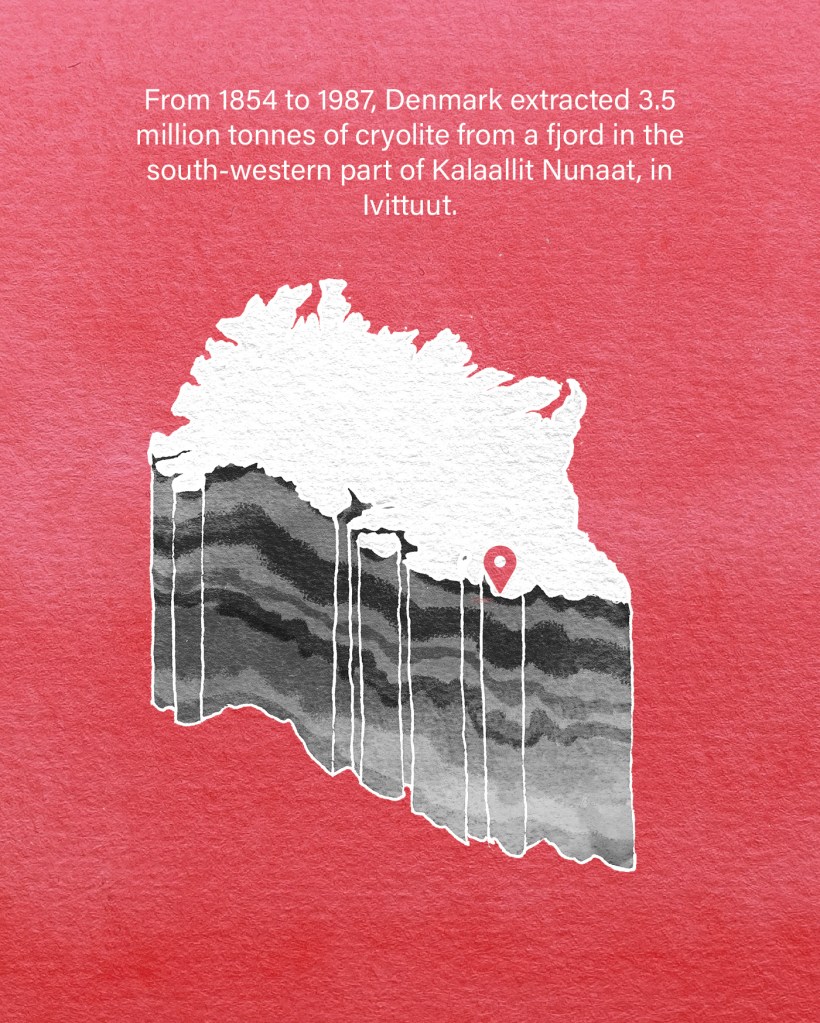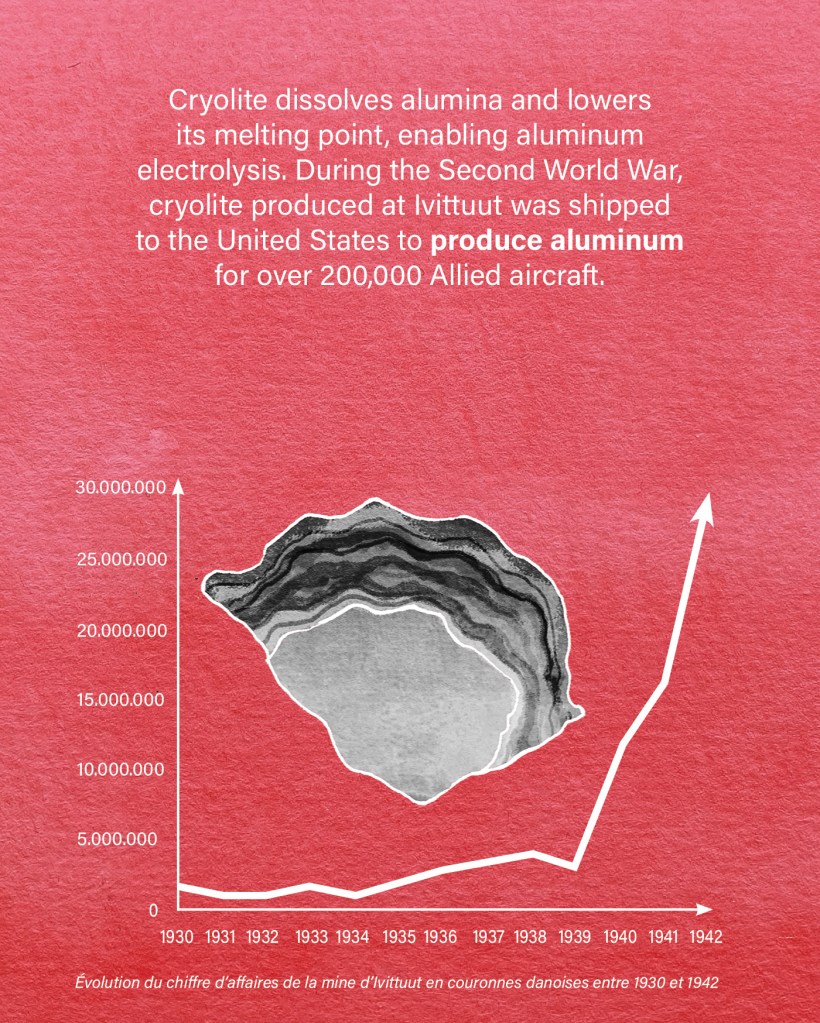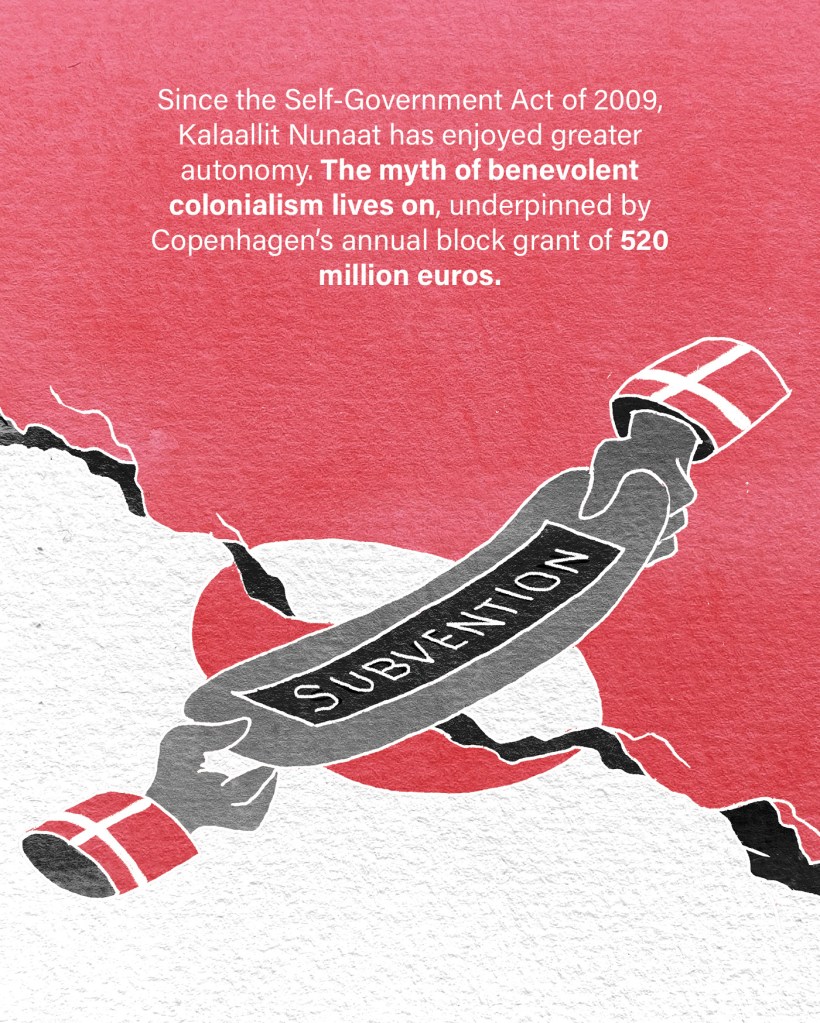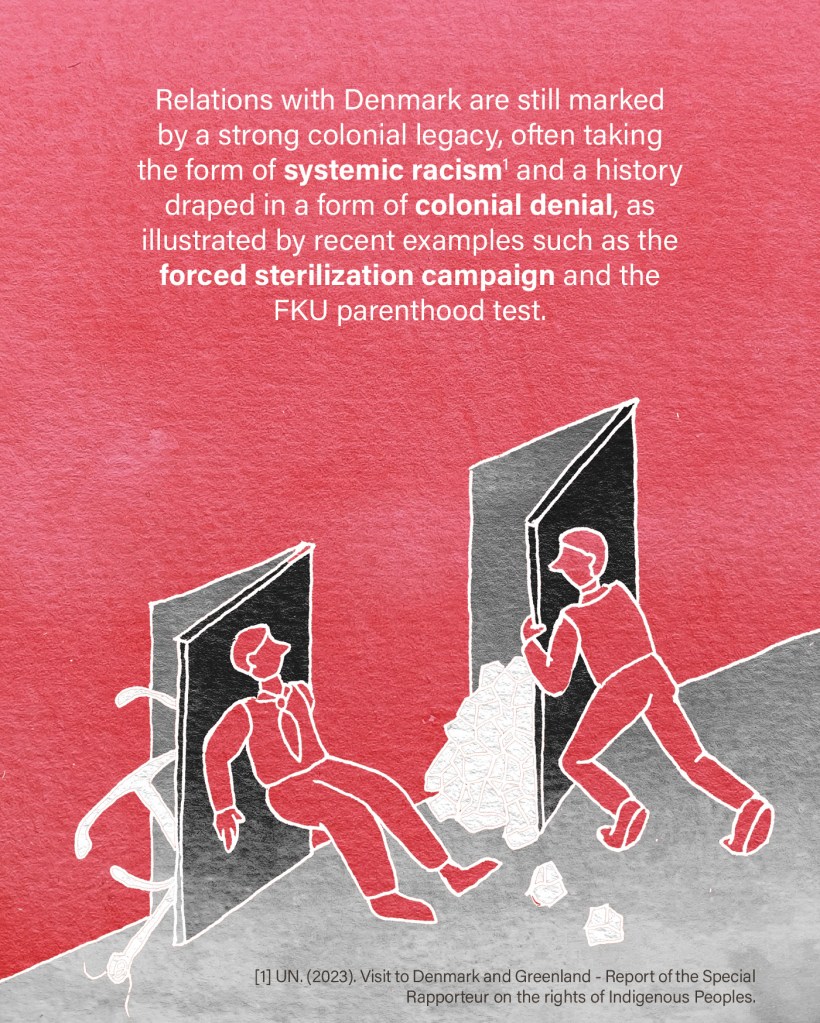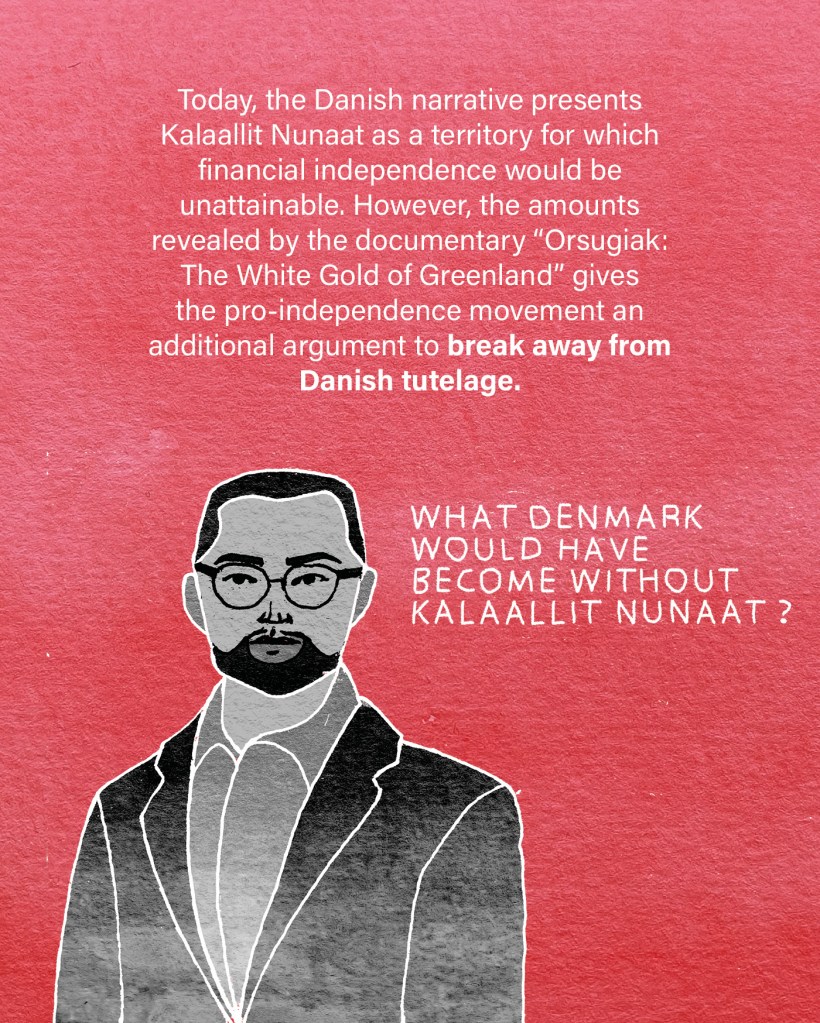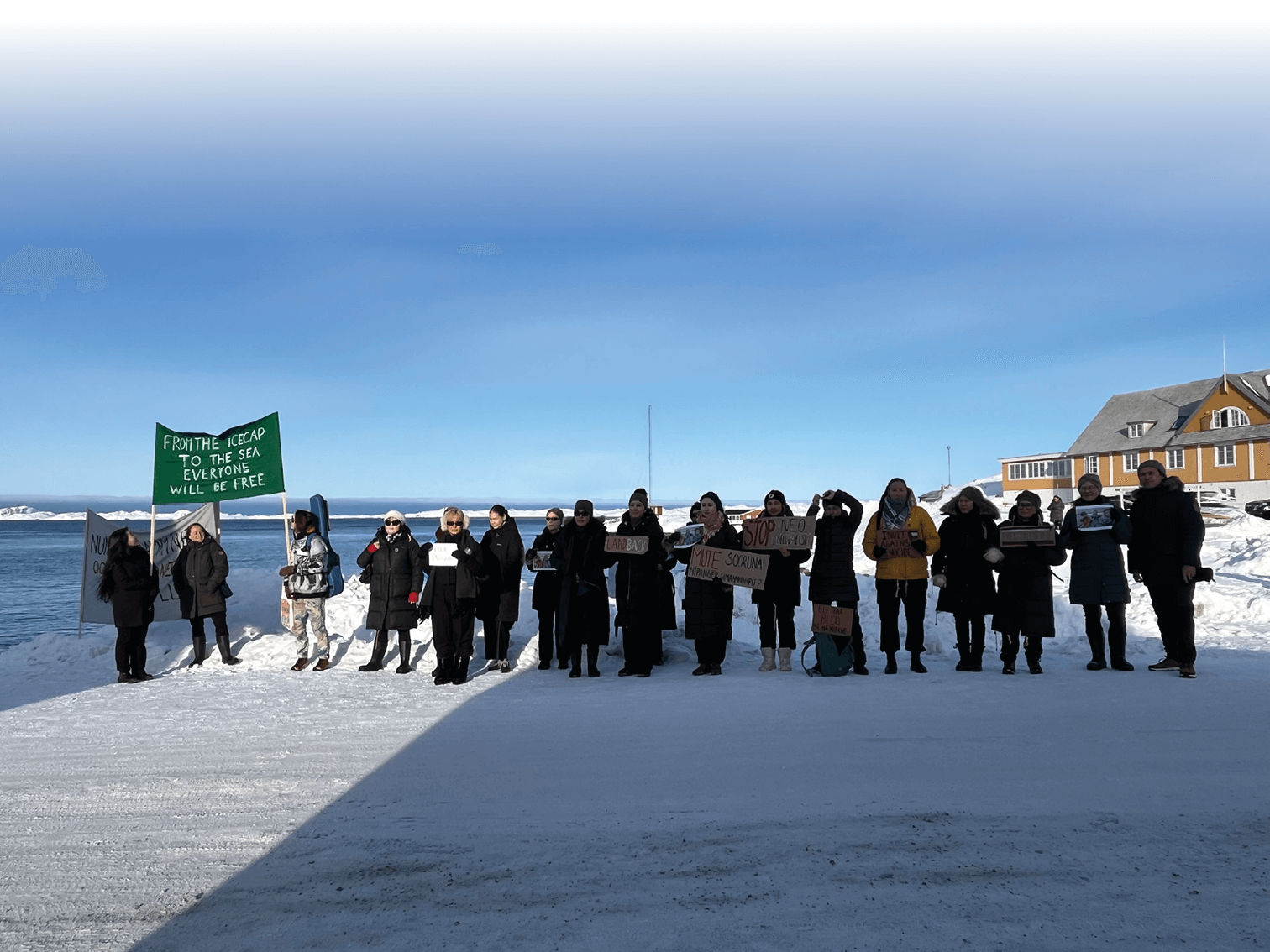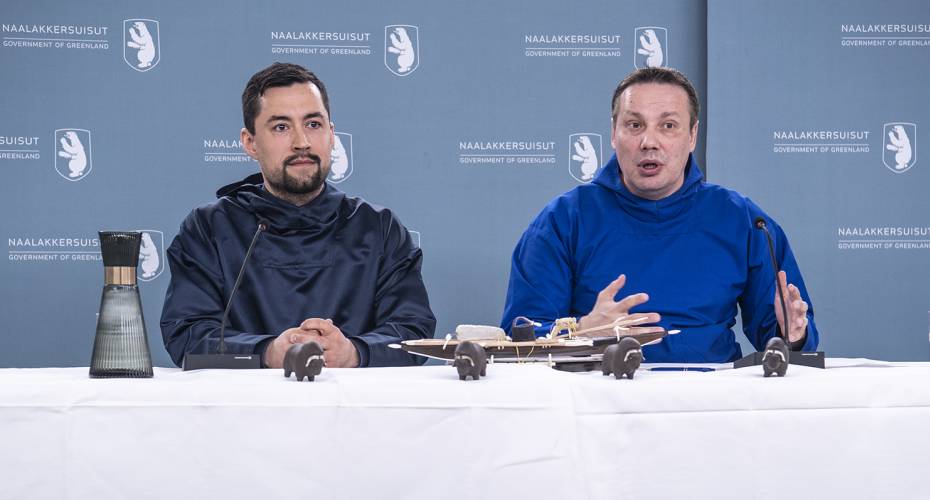
In response to U.S. moves on Kalaallit Nunaat, EU heads of state and government finally united in their clear and unequivocal support for Denmark (DR, February 3). Against this backdrop, the Inatsisartut, Kalaallit Nunaat’s parliament, has just passed a law banning political parties from receiving foreign or anonymous donations in order to “protect the integrity of the country” (Eye on the Arctic, February 5). On this subject, Kalaallit Nunaat’s Prime Minister, Mute B. Egede (Inuit Ataqatigiit, IA) has announced that general elections will be held on March 11. The main themes of the election campaign are expected to revolve around aspirations for independence, as well as relations with Denmark and the United States (Eye on the Arctic, February 5). For Juno Berthelsen (Naleraq), “Trump’s comments and the US administration’s new line have definitely given the independence movement more momentum”. All national parties are in favor of independence, but differ on implementation. Kalaallit Nunaat’s current prime minister has said that if re-elected, he would call for an independence referendum (Eye on the Arctic, February 19). True to its position, the Naleraq party proposes immediate independence from Denmark. In a sign that independence is becoming an even more important issue for Kalaallit Nunaat’s political class, the national parliamentarian Kuno Fencker has left the party and joined Naleraq (DR, February 11), following in the footsteps of another key Siumut figure, Aki-Matilda Høegh-Dam, who has also left Siumut (KNR, February 7). Høegh-Dam, who previously saw independence as a long-term goal, said he now wanted to hold a vote on independence after next month’s general elections (Eye on the Arctic, February 7), before partially reversing this position (Sermitsiaq, February 26). Inatsisartut has also tightened the rules on property acquisition and land allocation, which will now be open only to people who have lived in Kalaallit Nunaat for two years and paid taxes in the country (Sermitsiaq, February 4). According to the documentary “The White Gold of Greenland”, broadcast and produced by DR, Danish Radio and Television, between 1854 and 1987, Denmark mined cryolite in Kalaallit Nunaat for a turnover of 400 billion kroner in today’s Denmark, provoking great indignation in Kalaallit Nunaat. For Siumut president Erik Jensen, the documentary shows that the desire for independence is not unrealistic: “It has reinforced our feeling that we can stand on our own two feet in Kalaallit Nunaat. That we’re not just an expense” (DR, February 10). Reversing the stigma, Kalaallit Nunaat’s prime minister invited us to ask: “What would Denmark have become without Kalaallit Nunaat?” (DR, February 9). For 130 years, cryolite was extracted from a mine in southwest Kalaallit Nunaat by Danish miners and shipped back to Denmark. For Sara Olsvig, President of the Inuit Circumpolar Council, “the documentary should give further impetus to Denmark’s journey towards a better understanding of itself as a colonial power” (Altinget, February 11). In Denmark, however, the documentary has triggered fierce criticism, particularly from the Conservative and Liberal parties, with Culture Minister Jakob Engel-Schmidt calling it “disinformation” (DR, February 12). Although several economists qualified the figures that had crystallized the criticism (DR, February 12), in the face of the controversy, DR finally decided to delete the controversial documentary and fire its editor-in-chief (Altinget, February 19). A “shameful” decision for the Kalaallit Nunaat’s Prime Minister (Sermitsiaq, February 20) and seen as “serious interference in the independent press, which could threaten press freedom” by the Greenland Media Association (Sermitsiaq, February 25). Nonetheless, the documentary contributes to documenting Denmark’s colonial history (DR, February 10; Altinget, February 27), and in particular the role of mining (Altinget, February), but also highlights a form of “denial” towards it (Altinget, February 27), and promises to be amply mobilized during the election campaign (DR, February 11). A new party, Qulleq, formed by former members of the Siumut and Naleraq parties, is expected to take part in the election campaign, having now collected enough voter declarations to give the party the right to run. The party intends to defend both a rapid independence of the country, and the acceleration of mining and oil exploitation (Sermitsiaq, February 7). Finally, Kenneth Høegh, head of Kalaallit Nunaat’s representation in Washington, is being considered as the next Arctic ambassador (Sermitsiaq, February 21).
Donald Trump Expansionism, Kalaaleq Independence, Arctic Defense, Danish Racism… January’s Wrap-Up
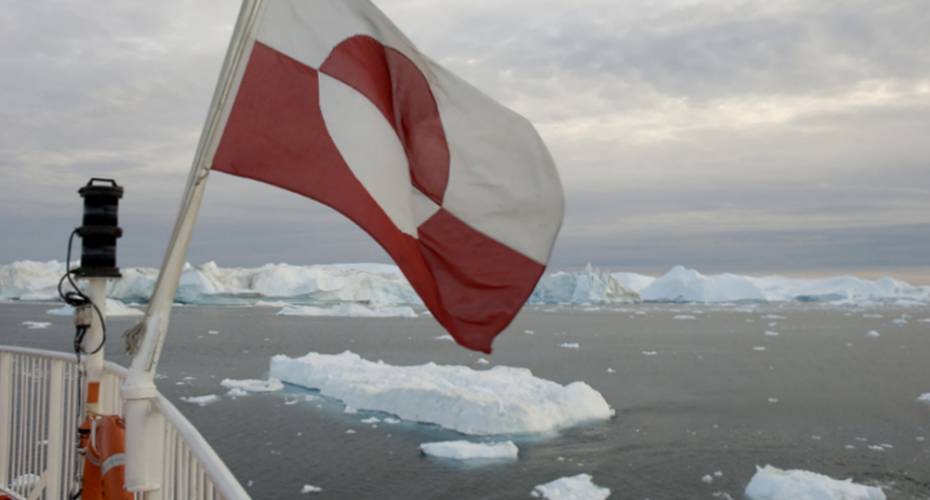
As Donald Trump reiterated his desire to take over Greenland on the sidelines of his inauguration speech, Secretary of State Marco Rubio declared that the US President’s interest was “no joke” and a matter of “national interest” (Altinget, January 21; Eye on the Arctic, January 31). Donald Trump Jr.’s recent visit to Nuuk has put Greenland even more in the international spotlight. As a sign of unity, Greenland Prime Minister Múte B. Egede called for the Greenlandic flag to be raised on January 24 (Sermitsiaq, January 24), while he had repeatedly stressed that the island belonged to Greenlanders and was not for sale, that they would decide their own future and that they remained faithful to their quest for independence (KNR, January 8). This is what he hammered home during his appearance on the ultra-conservative US Fox News channel: “We don’t want to be Americans, and we don’t want to be Danes either. We will be Greenlanders,” he declared (Sermitsiaq, January 17). Echoing this, Danish Prime Minister Mette Frederiksen asserted that “Greenlanders must decide for themselves on the future of Greenland” (Berlingske, January 7), a point she reaffirmed in mid-January during a telephone exchange with the president-elect (Sermitsiaq, January 15). According to a poll for the Greenlandic newspaper Sermitsiaq, 85% of Greenlanders unequivocally reject the idea of an American Greenland (Altinget, January 31). Against the backdrop of US ambitions, a defense agreement was signed between the Danish, Faroese and Greenlandic governments, providing 1.6 billion euros for military capabilities, including three new Arctic patrol ships, two long-range drones and improved surveillance (Altinget, January 27). However, this agreement is considered to be largely inadequate both to enable a defense that does not depend solely on the United States (Altinget, January 29; Altinget, January 30), and to take account of Greenland’s desire for independence (Altinget, January 29). Siumut political spokeswoman Doris J. Jensen declared that Article 21 of the Self-Government Act, which leads to Greenlandic independence, must be activated immediately: “Activating Article 21 is not only a necessary first step, but also a clear demonstration that Greenland is ready to take responsibility for its own future” (DR, January 29). Greenland MP Aki-Matilda Høegh-Dam (Siumut) has also called for the creation of a “Greenland state with its own sovereignty” (Sermitsiaq, January 12). Meanwhile, the Danish government has just presented a plan to combat racism against Greenlanders, which has been criticized for not involving Greenland’s elected representatives (DR, January 15). That said, for Greenland MP Aaja Chemnitz (IA), “recently, it has been clearly demonstrated that racism against Greenlanders exists in certain circles and notably on social networks. It is therefore important that we recognize politically that racism exists and is deeply unacceptable” (Altinget, January 27). On this subject, Denmark has announced that it is abandoning the use of highly controversial “parental competence” (FKU) tests for Greenlandic families, following anger at the way in which these tests have been regularly used for people of Inuit origin, often resulting in the separation of children from their parents (see here) (The Guardian, January 20; Sermitsiaq, January 17). For Inuit filmmaker Aka Hansen, this decision is motivated above all by Denmark’s desire to rehabilitate the myth of “the good settler”, as emphasized by ICC President Sara Olvig (High North News, February 2), in the face of the US offensive. At the Arctic Frontiers conference in Tromsø, Norway, the Nordic Council of Ministers launched a new 4 million euro program to build resilience and support local Arctic communities (Eye on the Arctic, January 24). Last but not least, Greenland’s biggest influencer Qupanuk Olsen (1.5 million subscribers) announced her candidacy for the forthcoming Greenlandic parliamentary elections in the spring, representing the pro-independence Naleraq party (Sermitsiaq, January 15).
Accusations of Genocide, Trump’s Idea of US “Ownership and Control”, Kalaaleq Passport… December’s Wrap-Up
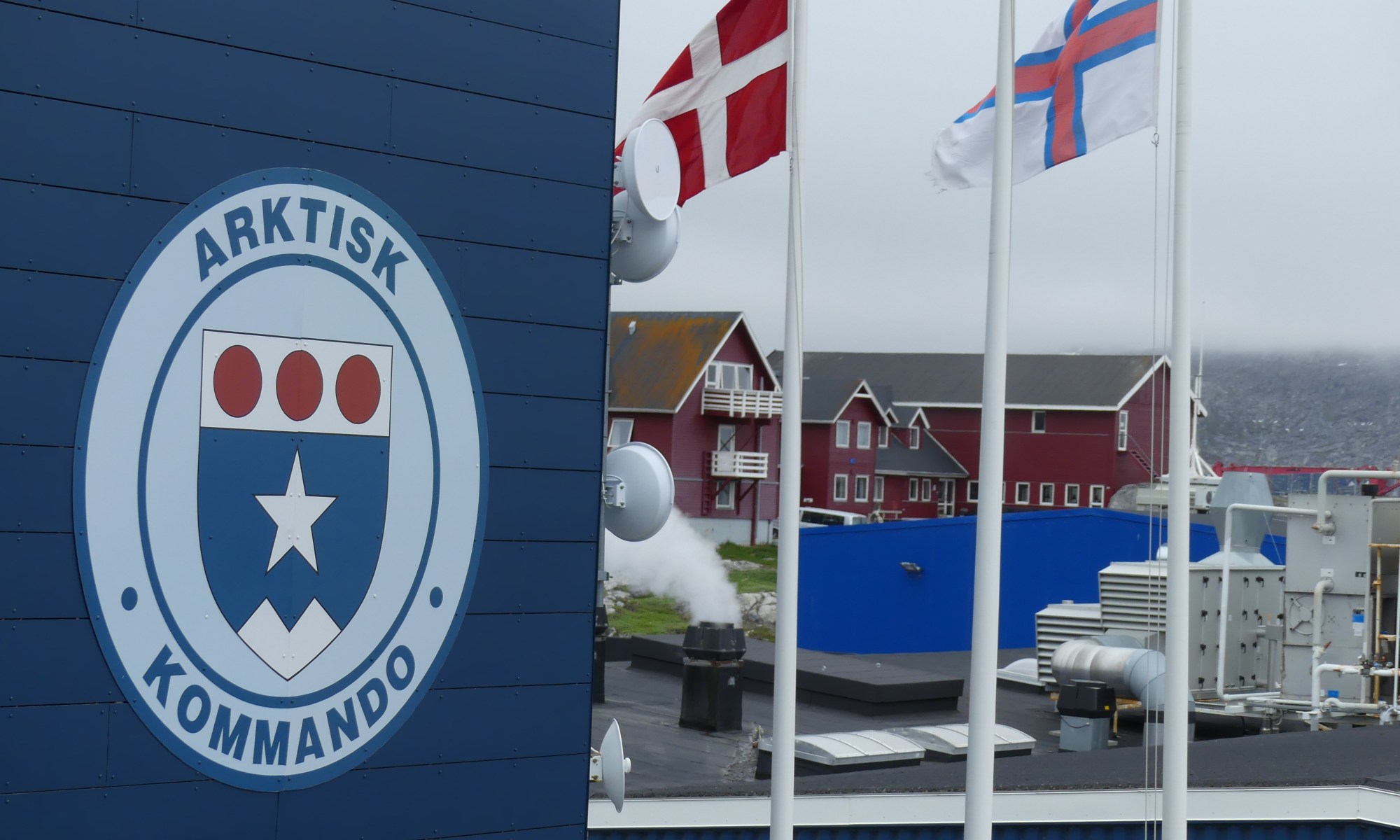
Against a backdrop of protests against the forced abduction of kalaallit children in Denmark, Kalaallit Nunaat’s Prime Minister Múte B. Egede described the campaign to sterilize kalaallit women and girls in the 1960-70s as “genocide for which Denmark should apologize” (DR, December 12). For the president of the Inuit Circumpolar Council, Sara Olsvig, “the individual human rights of girls and women have undoubtedly been violated”, and Denmark must finally take responsibility for its colonial behavior (Altinget, December 17). In a press release, Naleraq president Pele Broberg demanded that the government follow up its accusations with concrete legal measures (Sermitsiaq, December 22). While Donald Trump again raised the idea of US “ownership and control” of Kalaallit Nunaat (DR, December 23), Danish Defense Minister Troels Lund Poulsen announced new defense investments in the Arctic: two new Thetis-class inspection ships, two new long-range drones, two new sled teams for the Sirius patrol and more personnel at Arctic Command (DR, December 24). In Kalaallit Nunaat, Donald Trump’s announcement of the appointment of a new US ambassador to Denmark (Altinget, December 23) provoked strong reactions; for MP Aki-Matilda Høegh-Dam, who represents the kalaaleq party Siumut in the Danish Parliament, “Kalaallit Nunaat is not a commodity or a geostrategic trophy”; “Kalaallit Nunaat is ours. We are not for sale and never will be,” reaffirmed kalaaleq Prime Minister Múte B. Egede (Sermitsiaq, December 23). That said, against the backdrop of a highly deteriorated relationship between Denmark and Kalaallit Nunaat, the kalaaleq Prime Minister also intends to pave the way for further cooperation beyond Denmark, in particular with the USA: “Our foreign policy strategy also means that we cooperate more with our neighbors, because Kalaallit Nunaat must become an independent country”, he said (DR, December 13). Following the intensification of kalaaleq protest in recent months, the Ministry of Foreign Affairs announced that the kalaaleq government would now be responsible for appointing the Arctic ambassador (DR, December 20). Kalaaleq’s Minister of Self-Government and Foreign Affairs, Vivian Motzfeldt, will assume the chairmanship of the Arctic Council on behalf of the Kingdom of Denmark at the political level (Sermitsiaq, December 20). In addition, Kalaallit passports can now show Kalaaleq nationality, not just Danish, which is above all “a powerful symbol of our language, culture and history” for Kuno Fencker, MP for the Siumut party (Altinget, December 16). Finally, after several months in pre-trial detention in Nuuk, the Ministry of Justice decided not to grant Japan’s request for Paul Watson’s extradition, and to release him (Sermitsiaq, December 20).
Photo: IA Generated
Discriminatory Parenting Test, Translation at the Folketing, Inauguration of Nuuk Airport… November’s Wrap-Up
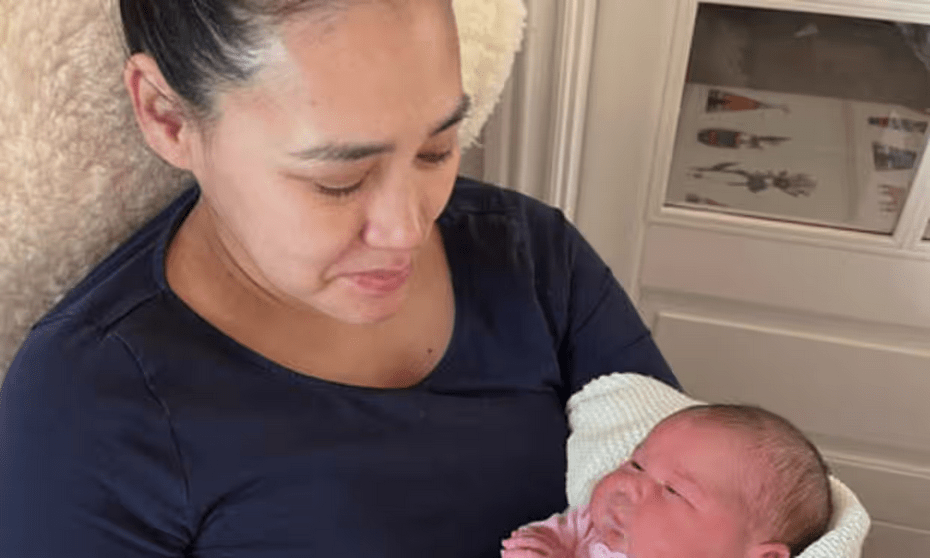
In Kalaallit Nunaat, tensions and demonstrations of support for Keira Alexandra Kronvold, a woman of kalaaleq origin, increased as her child was forcibly taken away by social services within hours of giving birth in Thisted, Denmark. The Danish Parenting Assessment Test (FKU), one of the psychometric tests widely used in Denmark to assess parenting skills, has been heavily criticized for reproducing racist discrimination. An extract from Keira Alexandra Kronvold’s file bears witness to this: “her origin would make it difficult for her to prepare the child for the social expectations and codes necessary in Danish society”. This is just one of many cases, since according to a 2022 report, children of kalaaleq origin living in Denmark are six times more likely to be placed in care than those of Danish origin (Sermitsiaq, November 20; The Guardian, November 25; DR, November 12). At the Folketing, the Danish parliament, the simultaneous translation hitherto rejected by the Speaker, Søren Gade, was tested for the first time during questions to the Prime Minister, Mette Frederiksen, who described the day as historic (Sermitsiaq, November 26; DR, November 26). Another “historic moment” for former Prime Minister Kim Kielsen was the inauguration of Nuuk International Airport, which now provides a direct link between Nuuk and Copenhagen, bypassing Kangerlussuaq (Sermitsiaq, November 28). At the end of November, Danish Defence Minister Troels Lund Poulsen visited Nuuk to meet Foreign Minister Vivian Motzfeldt to discuss the defence agreement and reaffirm a joint commitment to close cooperation on Arctic defence issues, with two priorities: to ensure that the Arctic remains a low-voltage zone, and to guarantee the participation of local businesses and the local population in the development of defence installations (Sermitsiaq, November 23; Eye on the Arctic, November 23). And while Kalaallit Nunaat has already decided to boycott the Nordic Council, the Faroe Islands have also threatened to leave the regional governance body. The Swedish presidency has not invited Kalaallit Nunaat and the Faroe Islands to a number of meetings, seeing this as a breach of equality between Council members, while an update of the treaties is called for so that Kalaallit Nunaat, the Faroe Islands and Åland join the Council as independent members (High North News, November 6). Finally, Paul Watson’s pre-trial detention has once again been renewed until December 18, pending a Danish response as to whether or not he should be extradited to Japan (Sermitsiaq, December 2).
Photo: Keira Alexandra Kronvold and her baby, who has been removed from her by the local municipality. Photograph: supplied (The Guardian).
Paul Watson’s Detention, Flights between Iqaluit-Nuuk and within the Arctic… October’s Wrap-Up
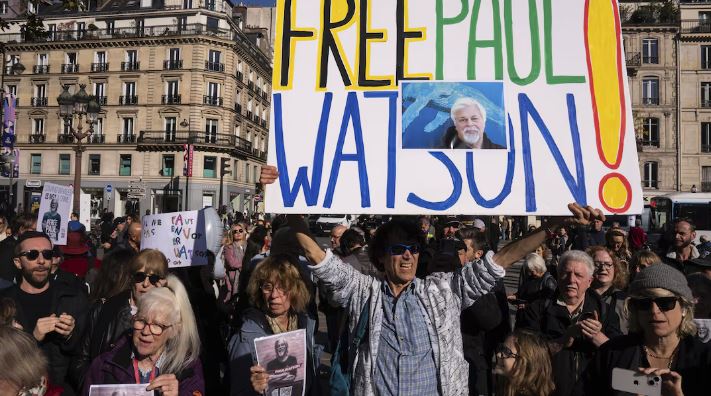
On October 23, the Kalaaleq Court decided to extend the detention of activist Paul Watson until November 13, pending the Danish government’s decision on Japan’s extradition request (AFP, October 24). The direct flights between Iqaluit and Nuuk, launched for the second year by Air Greenland after more than ten years, are a success. According to the figures, 70% of seats were occupied on this 37-seat weekly flight between June 26 and October 23 (Eye on the Arctic, October 24). An agreement has also been signed between Air Greenland and Icelandair at Arctic Circle to improve connections between Kalaallit Nunaat, Canada and the Faroe Islands. The agreement will come into effect next summer, and will enable passengers to book flights with both airlines on a single ticket. Keflavik airport in Iceland will be the departure point for these flights, linking Kalaallit Nunaat to Icelandair’s network of North American routes (Eye on the Arctic, October 23).
Author: Magali Vuillerme (translation). Photo: Associated Press/Louise Delmotte.
Oil Spill around Nanortalik, Tsunami, Polar Bears, Merging of Municipalities… September’s Wrap-Up
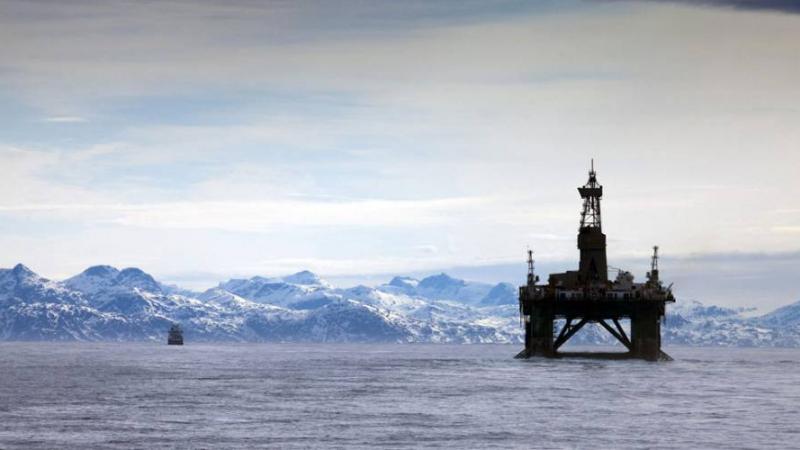
Following the sinking of the vessel Adolf Jensen, an oil spill of between 15,000 and 20,000 liters of diesel oil occurred in Nanortalik, in the south of the country (DR, September 20). Due to climate change, the occurrence of tsunamis could increase in Kalaallit Nunaat, according to a study that examined the occurrence of a tsunami on the east coast of Kalaallit Nunaat last year (Sermitsiaq, September 13). In addition, a polar bear traveled at least 200 kilometers from Kalaallit Nunaat to Iceland, before being shot by the authorities (DR, September 20). On the domestic front, the merger of municipalities in 2009 has posed major difficulties; in particular, many citizens living outside the main towns of the five main municipalities complain of a lack of local democracy and an over-burdened bureaucracy. A reorganization of the municipalities could be envisaged (Sermitsiaq, September 13). Greenlandic Folketing MP Aki-Matilda Høegh-Dam, who gave a speech in Kalaallisut a year ago, is due to give her speech in her mother tongue again at the opening of the parliamentary session on October 3. However, she has been refused the use of simultaneous interpretation equipment, even though the Folketing has it (DR, September 30). On the subject of the Arctic ambassador, whose appointment had met with profound Greenlandic disagreement last year, the Danish Prime Minister declared that she “wanted to respond” to Kalaallit Nunaat’s wish to have an Arctic ambassador in the country (DR, August 27). Against a backdrop of tension over Kalaallit Nunaat’s in the Nordic Council, Múte B. Egede stated that Kalaallit Nunaat would not participate in the Danish presidency of the Nordic Council of Ministers in 2026 (Altinget, September 12). Meanwhile, more than two months after the arrest of activist Paul Watson, Denmark’s Supreme Court has yet to rule on his detention (DR, October 2). Finally, Air Greenland has announced the creation of new air links between Denmark and Kalaallit Nunaat, with new departures to Nuuk from Aalborg and Billund (DR, September 24).
Paul Watson’s Arrest, Arctic Command Rescue, Paris Agreement, Critical Mineral… Summer’s Wrap-Up
The arrest of whale conservation activist Paul Watson on July 21 in Nuuk, following an international arrest warrant charging him with obstructing activities and causing injury and property damage to a Japanese whaling vessel in 2010, has attracted international attention (Eye on the Arctic, August 15). While his request for release has been rejected and he will remain in kalaallit jails until at least September 5, 2024, the activist could be extradited to Japan if the Danish Ministry of Justice, which has retained its prerogatives despite Kalaallit Nunaat’s increased autonomy, so decides (Sermitsiaq, August 20). In Kalaallit Nunaat, Paul Watson remains associated with pressure on Inuit hunters and Inuit ways of life (Mediapart, July 23). At the end of July, Arctic Command rescued the pilots whose plane had crashed into the open ocean near Qaqortoq, in southern Kalaallit Nunaat (Sermitsiaq, July 29). Search and rescue capabilities are becoming an increasingly important issue as commercial and tourist activity intensifies in the region (High North News, August 1). On the climate front, “the Paris Agreement is not just a symbolic act”, said UN Climate Secretary Simon Stiell, commenting on Kalaallit Nunaat’s accession to the Paris Agreement at a time when temperatures in the Arctic are rising four times faster than in the rest of the world. The Minister for Agriculture, Self-Sufficiency, Energy and the Environment, Kalistat Lund, has indicated that he will develop a climate strategy following local consultation throughout the country (Sermitsiaq, July 3). At UN level, the President of the Inuit Circumpolar Council (ICC), Sara Olsvig, has been appointed to the Expert Group on Rare Minerals for Energy Transition, to ensure that the recommendations made by the working group are in line with the UN Declaration on the Rights of Indigenous Peoples. Its presence is all the more important given that 54% of critical mineral deposits known to date are located on or near the territories of indigenous peoples (Sermitsiaq, July 14). In the kalaaleq parliament, Inatsisartut, the president of Naleraq’s party, Pele Broberg, known for his pro-independence stance, is going to propose a change to the rules of procedure so that the only language used will be Greenlandic, raising questions of national belonging for many Greenlanders who are not fluent in Kalaallisut, the national language (Sermitsiaq, August 6; Altinget, August 19). On the other hand, academic work to clearly establish the facts about the sterilization of Greenlandic girls and women from the 1960s onwards is currently being held up by the rejection of access to public health archives (Sermitsiaq, July 23; Sermitsiaq, July 25). Due to disputes with the Swedish presidency over the country’s secondary position, the President of the Greenland National Executive, Múte B. Egede, will not be taking part in the conference. Egede will not be taking part in the Nordic Council’s work or in the annual session in Reykjavik this autumn (Altinget, August 21). This summer, several towns were visited by polar bears, resulting in several preventive culls, notably in Ittoqqortoormiit, on the east coast. A researcher from a German research team on Traill Island, near Mestersvig in eastern Greenland, was attacked by a polar bear (Sermitsiaq, July 30). Finally, the US Secretary of the Navy, Carlos Del Toro, recently met with the Danish Ministry of Defense and military leaders in Copenhagen, as well as exchanging views with Faroese Foreign Minister Høgni Hoydal, to discuss the Russian threat and opportunities for increased cooperation in the Arctic and North Atlantic. The Faroe Islands, which will shortly be opening an office in Washington, is committed in its Arctic strategy to enhanced cooperation with other allies in the Arctic and wider North Atlantic to actively contribute to the preservation of security and stability (High North News, August 19).
Revue de juin : terres rares, une licence de biologie groenlandaise et manisfestations pour la Palestine
Le gouvernement groenlandais souhaite pérenniser l’indemnisation des pertes économiques liées aux changements climatiques (Sermitsiaq, 12 juin), dont ont bénéficié des chasseurs de plusieurs communautés pour la première fois en décembre dernier (voir ici). Par ailleurs, la Commission européenne a nommé Simon Bojsen-Møller, un fonctionnaire européen expérimenté, à la tête du nouveau bureau de l’UE à Nuuk (Sermitsiaq, 6 juin). Il sera notamment chargé du développement du partenariat stratégique pour le développement de chaînes de valeur pour les matières premières. A ce sujet, la société minière Critical Metals Corporation a signé un accord pour acquérir une participation majoritaire dans le projet de mine de terres rares Tanbreez dans le sud du Groenland, l’un des plus grands gisements de terres rares connus au monde (High North News, 11 juin). Après trois ans de discussions, le 20 juin dernier, le Groenland est officiellement entré dans l’Accord de Paris ; comme les îles Féroé, le Groenland fera donc partie de la délégation du Royaume du Danemark aux Conférence des Parties sur le Climat de l’ONU (Sermitsiaq, 19 juin). Concernant la gestion et la protection de l’océan Arctique, Oceans North Kalaallit Nunaat (ONKN) et l’Inuit Circumpolar Council Greenland (ICC) ont conclu un accord de coopération marquant un partenariat visant à promouvoir la participation de l’ICC Groenland dans les instance internationales (Sermitsiaq, 7 juin). Ilisimatusarfik, l’Université du Groenland, lance une licence en biologie ancrée culturellement dans la société groenlandaise. Aviâja Lyberth Hauptmann, la responsable du programme justifie une approche décloisonnée des savoirs : “Nous avons la nature juste devant notre porte, et nous avons les gens dans notre société qui ont des connaissances passionnantes et importantes sur la biologie que nous pouvons intégrer. Pour nous, il est important que les étudiants apprennent à la fois des chasseurs et des professeurs” (Sermitsiaq, 9 juin). Enfin, à Nuuk, des manifestantes et manifestants ont exhorté le gouvernement à soutenir la Palestine, tout comme il avait montré son soutien à l’Ukraine (Sermitsiaq, 12 juin).
– June review: rare earths, a Greenlandic biology degree and manisfestations for Palestine
The Greenlandic government wants to make permanent the compensation for economic losses linked to climate change (Sermitsiaq, June 12), which hunters from several communities benefited from for the first time last December (see here). In addition, the European Commission has appointed Simon Bojsen-Møller, an experienced European civil servant, to head the new EU office in Nuuk (Sermitsiaq, June 6). In particular, he will be responsible for developing the strategic partnership for the development of value chains for raw materials. On this subject, the mining company Critical Metals Corporation has signed an agreement to acquire a majority stake in the Tanbreez rare earth mine project in southern Greenland, one of the world’s largest known rare earth deposits (High North News, June 11). On June 20, after three years of discussions, Greenland officially entered the Paris Agreement; like the Faroe Islands, Greenland will therefore be part of the Kingdom of Denmark’s delegation to the UN Climate Conference (Sermitsiaq, June 19). With regard to the management and protection of the Arctic Ocean, Oceans North Kalaallit Nunaat (ONKN) and the Inuit Circumpolar Council Greenland (ICC) signed a cooperation agreement marking a partnership aimed at promoting ICC Greenland’s participation in international forums (Sermitsiaq, June 7). Ilisimatusarfik, the University of Greenland, launches a degree in biology with cultural roots in Greenlandic society. Aviâja Lyberth Hauptmann, who is in charge of the program, justifies a decompartmentalized approach to knowledge: “We have nature right on our doorstep, and we have people in our society who have exciting and important knowledge about biology that we can integrate. For us, it’s important that students learn from both hunters and teachers” (Sermitsiaq, June 9). Finally, in Nuuk, demonstrators urged the government to support Palestine, just as it had shown its support for Ukraine (Sermitsiaq, June 12).
Revue de mai : le Groenland suspend sa participation au Conseil Nordique, l’UE et les terres rares
Après avoir reçu une fin de non-recevoir de la part de la présidence suédoise du Conseil Nordique quant à la demande de participation pleine du Groenland, des îles Féroé et Åland, Múte B. Egede, le premier ministre groenlandais a mis en suspens sa participation au Conseil Nordique et au Conseil des Ministres nordiques jusqu’à ce que “le respect mutuel et l’égalité” soient rétablis (Naalakkersuisut, 7 mai). Le premier ministre groenlandais a précisé : “Je ne peux pas continuer à participer à des événements où il y a de la discrimination entre les participants.” (Sermitsiaq, 8 mai). Pour rappel, le Conseil Nordique (N5) regroupe le Danemark, la Suède, la Norvège, la Finlande et l’Islande. En 2023, la résidence islandaise avait invité les N8 (N5 + le Groenland, les îles Féroé et Åland) au sommet estival (Altinget, 2 mai). Ce boycott groenlandais doit être compris à la lumière de la nouvelle stratégie étrangère, de sécurité et de défense “Greenland in the world – nothing about us, without us”, dans laquelle le Grenland entend jouer un rôle prédominant dans les instances de gouvernance régionale (voir ici). Plus tôt, le demande pour plus d’égalité au sein du Conseil Nordique formulé par les îles Féroé avait été sèchement rejetée (Altinget, 2 mai). A ce sujet, les îles Féroés ont voté leur nouvelle stratégie arctique dans laquelle est réaffirmée la volonté “d’obtenir une voix indépendante dans toutes les organisations et tous les domaines de coopération concernés” (Eye on the Arctic, 13 mai). Par contraste à la situation au sein du Conseil Nordique, la récente visite d’Ursula von der Leyen aux îles Féroé et au Groenland, et la future présidence danoise du Conseil de l’UE en 2025, augure d’un renforcement de leur coopération avec l’Union Européenne (Altinget, 29 avril). Sur le plan régional, le Groenland pourrait aussi bénéficier d’un rôle accru au sein du Conseil de l’Arctique, lorsque le Danemark en prendra la présidence tournante en 2025 (High North News, 14 mai). La question des matières premières et des terres rares est particulièrement scrutée par les dirigeantes et dirigeants européens, alors que fin 2023, le Naalakkersuisut (gouvernement groenlandais) et l’UE ont conclu un accord de partenariat sur les chaînes de valeur durables pour les matières premières (voir ici). Le Groenland possède 25 des 34 matières premières que la Commission européenne considère comme essentielles pour pouvoir produire, entre autres, des éoliennes et des voitures électriques. Soulignant l’échec de la Chine avec le Groenland à ce sujet, Margrethe Vestager, Commissaire européen à la Concurrence, considère que si des mesures incitatives européennes sont possibles “ce sont les Groenlandais qui doivent décider en premier lieu de la manière dont ils souhaitent que ces ressources soient utilisées. Et il est absolument essentiel que ce soient les Groenlandais qui soient chargés de déterminer comment cela deviendra une réalité” (Altinget, 7 mai). Au Danemark, le parlement a voté un nouvel accord de défense à hauteur de 95 milliards de couronnes sur 2024-2033, lequel prévoit la création d’une brigade prête au combat de 6 000 soldats, l’acquisition d’une défense aérienne basée au sol et l’extension de la conscription à 11 mois (Altinget, 1 mai). Un accord séparé a également été conclu sur l’égalité totale dans la conscription ; les femmes pourront donc être obligées de faire leur service militaire à partir du 1er janvier 2027 (Altinget, 30 avril). Enfin, aux Nations Unis, Sara Olsvig, la porte parole de l’Iuit Circumpolar Council, s’est inquiétée des conséquences de la diminution des contributions des États à l’ONU sur les droits des peuples autochtones (Sermitsiaq, 3 mai). L’an dernier, le rapporteur spécial sur les droits des peuples autochtones, José Francisco Calí Tzay avait dans son rapport dénoncé les discriminations subies par les groenlandaises et les groenlandais dans l’accès à leurs droits, ainsi que les politiques danoises particulièrement violentes (notamment la campagne de stérilisation des filles et des femmes dans les années 1960-70) (voir ici).
– May Review: Greenland suspends its participation in the Nordic Council, the EU and rare earths
After receiving a refusal from the Swedish presidency of the Nordic Council to allow Greenland, the Faroe Islands and Åland to participate fully, Múte B. Egede, Greenland’s prime minister, has put his participation in the Nordic Council and the Nordic Council of Ministers on hold until “mutual respect and equality” are re-established. Egede, the Greenlandic Prime Minister has suspended his participation in the Nordic Council and the Nordic Council of Ministers until “mutual respect and equality” are re-established (Naalakkersuisut, May 7). The Greenlandic Prime Minister clarified, “I cannot continue to participate in events where there is discrimination between participants.” (Sermitsiaq, May 8). The Nordic Council (N5) comprises Denmark, Sweden, Norway, Finland and Iceland. In 2023, the Icelandic residence had invited the N8 (N5 + Greenland, the Faroe Islands and Åland) to the summer summit (Altinget, May 2). This Greenlandic boycott must be understood in the light of the new foreign, security and defense strategy “Greenland in the world – nothing about us, without us”, in which Grenland intends to play a predominant role in regional governance bodies (see here). Earlier, the Faroe Islands’ request for greater equality within the Nordic Council was curtly rejected (Altinget, May 2). On this subject, the Faroe Islands have voted in their new Arctic strategy, which reaffirms the desire “to obtain an independent voice in all relevant organizations and areas of cooperation” (Eye on the Arctic, May 13). In contrast to the situation within the Nordic Council, Ursula von der Leyen’s recent visit to the Faroe Islands and Greenland, and Denmark’s forthcoming presidency of the EU Council in 2025, augurs well for closer cooperation with the European Union (Altinget, April 29). On a regional level, Greenland could also benefit from an enhanced role in the Arctic Council, when Denmark takes over the rotating presidency in 2025 (High North News, May 14). The issue of raw materials and rare earths is under particular scrutiny by European leaders, as at the end of 2023, the Naalakkersuisut (Greenlandic government) and the EU signed a partnership agreement on sustainable value chains for raw materials (see here). Greenland possesses 25 of the 34 raw materials that the European Commission considers essential for the production of wind turbines and electric cars, among other things. Pointing to China’s failure with Greenland in this respect, Margrethe Vestager, European Commissioner for Competition, considers that if European incentives are possible “it is the Greenlanders who must decide in the first instance how they want these resources to be used. And it is absolutely essential that it is the Greenlanders who are responsible for determining how this becomes a reality” (Altinget, May 7). In Denmark, parliament passed a new 95 billion kroner defense agreement for 2024-2033, which includes the creation of a 6,000-strong combat-ready brigade, the acquisition of ground-based air defense and the extension of conscription to 11 months (Altinget, May 1). A separate agreement was also reached on total equality in conscription; women could therefore be obliged to do military service from January 1, 2027 (Altinget, April 30). Finally, at the United Nations, Sara Olsvig, spokeswoman for the Iuit Circumpolar Council, expressed concern about the consequences of the reduction in state contributions to the UN on the rights of indigenous peoples (Sermitsiaq, May 3). Last year, the Special Rapporteur on the Rights of Indigenous Peoples, José Francisco Calí Tzay, denounced in his report the discrimination suffered by Greenlanders in access to their rights, as well as particularly violent Danish policies (notably the campaign to sterilize girls and women in the 1960s-70s) (see here).
Revue d’avril : Discours sur l’Unité du Royaume
Lors du discours sur l’Unité du Royaume, après avoir affirmé la nécessité de former une union forte en Arctique et en Atlantique Nord, la Première ministre Mette Frederiksen a souligné qu’elle était prête à examiner le cadre du Royaume s’il y avait une demande concrète de la part des îles Féroé ou du Groenland. Par ailleurs, la question du poste non pourvu d’Ambassadeur de l’Arctique suite à un désaccord dano-groenlandais n’a pas été mentionné (Sermitsiaq, 19 avril). En parallèle, le Danemark a renforcé son engagement militaire dans l’Atlantique Nord avec cinq nouveaux attachés de défense (un à Ottawa, un à Oslo, un à l’ONU et deux à l’OTAN) (Regard sur l’Arctique, 23 avril). Au parlement danois, un an après son intervention pour demander la traduction des débats en groenlandais, Aki-Matilda Høegh-Dam a décidé de mettre en place son propre système de traduction pour rendre les débats accessibles à ses concitoyens (Altinget, 19 avril).
– April Review: Speech on the Unity of the Kingdom
During her speech on the Unity of the Kingdom, after affirming the need to form a strong union in the Arctic and North Atlantic, Prime Minister Mette Frederiksen stressed that she was ready to examine the framework of the Kingdom if there was a concrete request from the Faroe Islands or Greenland. On the other hand, the issue of the unfilled post of Arctic Ambassador following a Danish-Greenlandic disagreement was not mentioned (Sermitsiaq, April 19). At the same time, Denmark has strengthened its military commitment in the North Atlantic with five new defense attachés (one in Ottawa, one in Oslo, one at the UN and two at NATO) (Regard sur l’Arctique, April 23). In the Danish parliament, a year after she intervened to request the translation of debates into Greenlandic, Aki-Matilda Høegh-Dam decided to set up her own translation system to make debates accessible to her fellow citizens (Altinget, April 19).