
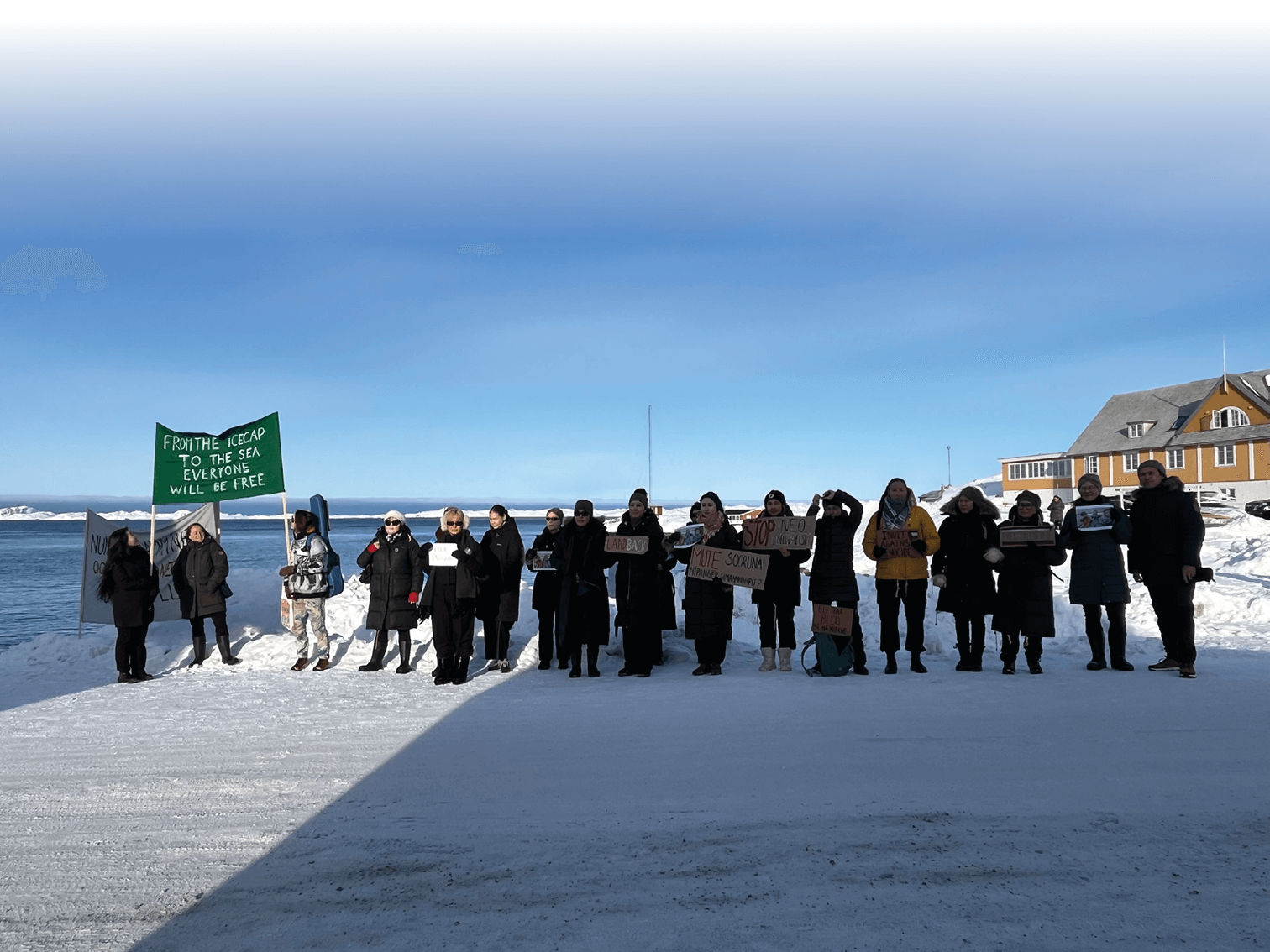
Le gouvernement groenlandais souhaite pérenniser l’indemnisation des pertes économiques liées aux changements climatiques (Sermitsiaq, 12 juin), dont ont bénéficié des chasseurs de plusieurs communautés pour la première fois en décembre dernier (voir ici). Par ailleurs, la Commission européenne a nommé Simon Bojsen-Møller, un fonctionnaire européen expérimenté, à la tête du nouveau bureau de l’UE à Nuuk (Sermitsiaq, 6 juin). Il sera notamment chargé du développement du partenariat stratégique pour le développement de chaînes de valeur pour les matières premières. A ce sujet, la société minière Critical Metals Corporation a signé un accord pour acquérir une participation majoritaire dans le projet de mine de terres rares Tanbreez dans le sud du Groenland, l’un des plus grands gisements de terres rares connus au monde (High North News, 11 juin). Après trois ans de discussions, le 20 juin dernier, le Groenland est officiellement entré dans l’Accord de Paris ; comme les îles Féroé, le Groenland fera donc partie de la délégation du Royaume du Danemark aux Conférence des Parties sur le Climat de l’ONU (Sermitsiaq, 19 juin). Concernant la gestion et la protection de l’océan Arctique, Oceans North Kalaallit Nunaat (ONKN) et l’Inuit Circumpolar Council Greenland (ICC) ont conclu un accord de coopération marquant un partenariat visant à promouvoir la participation de l’ICC Groenland dans les instance internationales (Sermitsiaq, 7 juin). Ilisimatusarfik, l’Université du Groenland, lance une licence en biologie ancrée culturellement dans la société groenlandaise. Aviâja Lyberth Hauptmann, la responsable du programme justifie une approche décloisonnée des savoirs : “Nous avons la nature juste devant notre porte, et nous avons les gens dans notre société qui ont des connaissances passionnantes et importantes sur la biologie que nous pouvons intégrer. Pour nous, il est important que les étudiants apprennent à la fois des chasseurs et des professeurs” (Sermitsiaq, 9 juin). Enfin, à Nuuk, des manifestantes et manifestants ont exhorté le gouvernement à soutenir la Palestine, tout comme il avait montré son soutien à l’Ukraine (Sermitsiaq, 12 juin).
– June review: rare earths, a Greenlandic biology degree and manisfestations for Palestine
The Greenlandic government wants to make permanent the compensation for economic losses linked to climate change (Sermitsiaq, June 12), which hunters from several communities benefited from for the first time last December (see here). In addition, the European Commission has appointed Simon Bojsen-Møller, an experienced European civil servant, to head the new EU office in Nuuk (Sermitsiaq, June 6). In particular, he will be responsible for developing the strategic partnership for the development of value chains for raw materials. On this subject, the mining company Critical Metals Corporation has signed an agreement to acquire a majority stake in the Tanbreez rare earth mine project in southern Greenland, one of the world’s largest known rare earth deposits (High North News, June 11). On June 20, after three years of discussions, Greenland officially entered the Paris Agreement; like the Faroe Islands, Greenland will therefore be part of the Kingdom of Denmark’s delegation to the UN Climate Conference (Sermitsiaq, June 19). With regard to the management and protection of the Arctic Ocean, Oceans North Kalaallit Nunaat (ONKN) and the Inuit Circumpolar Council Greenland (ICC) signed a cooperation agreement marking a partnership aimed at promoting ICC Greenland’s participation in international forums (Sermitsiaq, June 7). Ilisimatusarfik, the University of Greenland, launches a degree in biology with cultural roots in Greenlandic society. Aviâja Lyberth Hauptmann, who is in charge of the program, justifies a decompartmentalized approach to knowledge: “We have nature right on our doorstep, and we have people in our society who have exciting and important knowledge about biology that we can integrate. For us, it’s important that students learn from both hunters and teachers” (Sermitsiaq, June 9). Finally, in Nuuk, demonstrators urged the government to support Palestine, just as it had shown its support for Ukraine (Sermitsiaq, June 12).
 Tanguy Sandré