
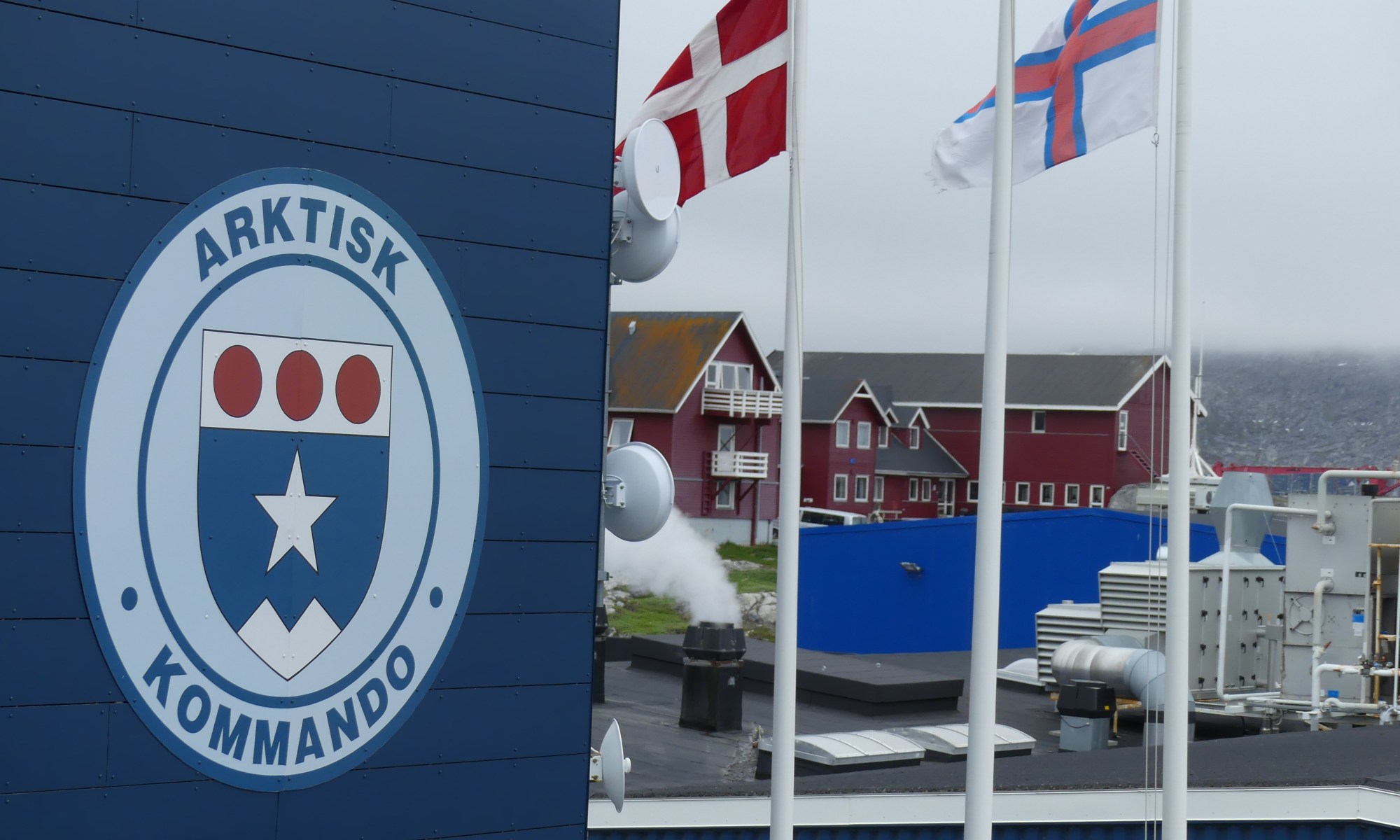
D’après des fuites révélées par TV2 (19 novembre), les forces de défenses danoises envisagent de consacrer une centaine de milliards de couronnes pour le plan de réarmement militaire au cours des dix prochaines années, en particulier dans le domaine aérien. Pour l’ancien major de l’armée de l’air, Hans Peter Michaelsen : “La situation est telle que la menace pour le Danemark ne se situe pas sur terre, mais dans l’espace aérien, sous la forme de missiles. Le Danemark ne dispose actuellement d’aucune défense dans cet espace”. Outre les avions de surveillance P8 de l’armée de l’air destinés à surveiller l’Atlantique Nord, cela se décline notamment en Arctique et au Groenland de la manière suivante : 2 milliards de couronnes danoises supplémentaires notamment destinés à l’agrandissement d’une station aérienne à Kangerlussuaq, avec la construction d’une nouvelle piste d’atterrissage, ainsi qu’une enveloppe de 4 milliards de couronnes pour le renforcement de la patrouille Sirius et l’achat d’un nouveau navire de plongée et d’équipements de détection. A l’Inatsisartut, le Parlement groenlandais, l’adhésion du Groenland à l’Accord de Paris, annoncée en 2021, a finalement été votée après une nouvelle étude d’impact (High North News, 17 novembre). Pour Kalistat Lund, Ministre de l’énergie et de l’environnement : “L’Accord de Paris ne menace pas le développement du Groenland. Au contraire. La loi sur l’autonomie gouvernementale constituera la base de notre adhésion à l’accord. Nous adhérons en reconnaissant que nous sommes un peuple autochtone ayant le droit à l’autonomie. Nous sommes responsables de notre politique climatique et nous adhérons à l’Accord de Paris dans ces conditions”. Les contributions déterminées au niveau national (NDC) seront décidées avec des objectifs climatiques pour chaque secteur. Certaines industries, comme les matières premières ou la pêche, pourraient être exemptées de ces objectifs. Le Groenland a, par ailleurs, délivré deux nouvelles licences d’exploration de terres rares à l’entreprise canadienne, Amaroq Minerals. Ces licences portent à 9 785,56 km² la superficie totale du territoire groenlandais de la société, ce qui fait d’Amaroq le plus grand détenteur de licences d’exploration minière du pays (Eyes on the Arctic, 1 novembre). Mis en place en juin dernier, les réunions tripartites entre les membres du conseil de politique étrangère du parlement danois, de la commission des affaires étrangères du parlement féroïen et de la commission de la politique étrangère et de sécurité du parlement groenlandais Inatsisartut ne devraient pas s’institutionnaliser. Les politiciens groenlandais ont rejeté cette hypothèse (Altinget, 16 novembre). Toujours sur le plan régional, et à la suite des critiques de Múte B. Egede (cf. bulletin n°43), la ministre danoise de la coopération nordique, Louise Schack Elholm, s’est dite favorable à ce que le Groenland et les îles Féroé obtiennent une position plus forte au sein du Conseil de coopération nordique (Sermitsiaq, 8 novembre). Reprenant les conclusions du rapport de l’ONU sur les discriminations raciales dont sont victimes les groenlandaises et groenlandais, la députée groenlandaise au Folketing, Aaja Chemnitz (Inuit Ataqatigiit) a appelé au renforcement de l’éducation sur le Groenland au Danemark (Altinget, 2 novembre). Enfin, l’Union Européenne, qui envisageait d’ouvrir une représentation à Nuuk en 2023, a reporté le projet face aux lenteurs des tractations (Altinget, 9 novembre).
– November Review: Military rearmament plan, vote in favour of accession to the Paris Agreement and more education on Greenland in Denmark
According to leaks revealed by TV2 (19 November), the Danish defence forces are planning to spend around a hundred billion kroner on military rearmament over the next ten years, particularly in the air. According to former Air Force Major Hans Peter Michaelsen: “The situation is such that the threat to Denmark is not on the ground, but in the air, in the form of missiles. Denmark currently has no defences in this airspace. In addition to the air force’s P8 surveillance aircraft to monitor the North Atlantic, this means the following in the Arctic and Greenland: an extra DKK 2 billion to expand an air station at Kangerlussuaq, including the construction of a new runway, and DKK 4 billion to strengthen the Sirius patrol and purchase a new diving vessel and detection equipment. In the Inatsisartut, the Greenland Parliament, Greenland’s accession to the Paris Agreement, announced for 2021, was finally voted through after a new impact study (High North News, 17 November). According to Kalistat Lund, Minister for Energy and the Environment: “The Paris Agreement does not threaten Greenland’s development. Quite the contrary. The Self-Government Act will form the basis of our adherence to the agreement. We do so by recognising that we are an indigenous people with the right to self-government. We are responsible for our own climate policy and we are signing up to the Paris Agreement on these terms. Nationally Determined Contributions (NDCs) will be decided with climate targets for each sector. Certain industries, such as raw materials or fishing, could be exempt from these targets. Greenland has also issued two new rare earth exploration licences to the Canadian company Amaroq Minerals. These licences bring the company’s total surface area in Greenland to 9,785.56 km², making Amaroq the country’s largest holder of mining exploration licences (Eyes on the Arctic, 1 November). Set up last June, the tripartite meetings between members of the Danish parliament’s foreign policy council, the Faroese parliament’s foreign affairs committee and the Greenland parliament’s foreign and security policy committee Inatsisartut are not expected to become institutionalised. Greenlandic politicians have rejected this hypothesis (Altinget, 16 November). Still on the regional front, and following criticism from Múte B. Egede (see newsletter no. 43), the Danish Minister for Nordic Cooperation, Louise Schack Elholm, said she was in favour of Greenland and the Faroe Islands obtaining a stronger position within the Nordic Cooperation Council (Sermitsiaq, 8 November). Echoing the conclusions of the UN report on racial discrimination against Greenlanders, Greenlandic member of the Folketing Aaja Chemnitz (Inuit Ataqatigiit) called for more education on Greenland in Denmark (Altinget, 2 November). Finally, the European Union, which was planning to open a representation in Nuuk in 2023, has postponed the project in the face of slow negotiations (Altinget, 9 November).
 Tanguy Sandré